Top Payroll Compliance Mistakes HR Teams Must Avoid in 2026
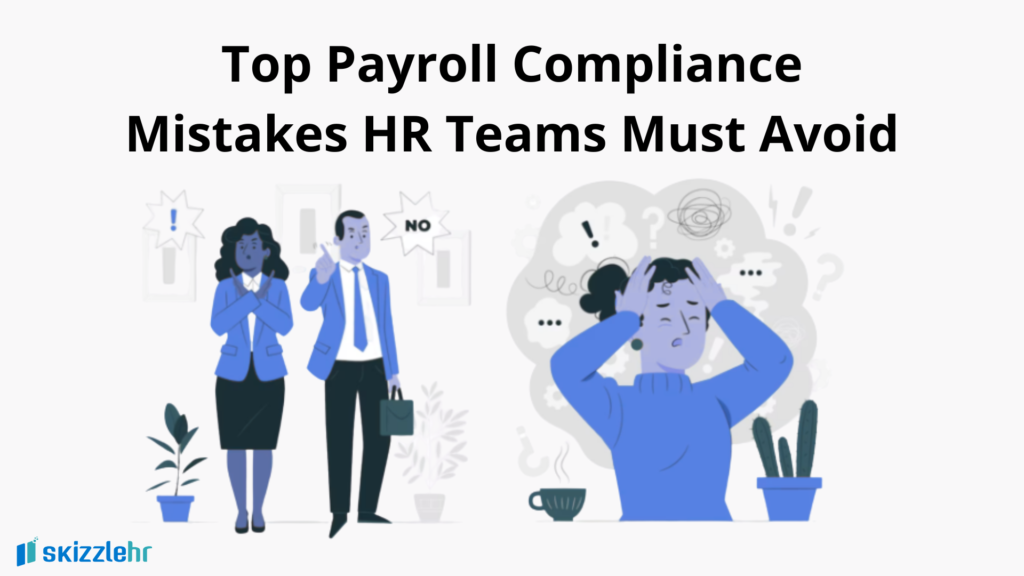
Payroll compliance is far more than paying salaries on time. HR teams must ensure every payroll cycle follows labour laws, tax regulations, statutory deductions, employee benefits, and reporting requirements. Even a small payroll error can lead to penalties, legal disputes, employee dissatisfaction, and reputational damage. This SEO-friendly guide explores the biggest payroll compliance mistakes and practical ways to avoid them.
In today’s fast-changing regulatory environment, payroll compliance has become a strategic responsibility rather than just an administrative function. Governments regularly update tax regulations, labour laws, employee benefit schemes, and statutory filing requirements, making it increasingly difficult for HR teams to stay compliant through manual processes alone. Organizations that fail to keep pace with these changes risk not only financial penalties but also reduced employee confidence and operational disruptions.
For growing businesses and SMEs, payroll compliance can be especially challenging due to limited HR resources. Managing multiple spreadsheets, tracking statutory deadlines, calculating deductions, and ensuring accurate employee records often consume valuable time that could otherwise be spent on strategic HR initiatives. Investing in the right payroll management practices and technology can significantly reduce these challenges while ensuring compliance and improving employee satisfaction.
What is Payroll Compliance?
Payroll compliance means complying with labour laws, taxation rules, statutory deductions, reporting obligations, and salary processing requirements while maintaining accurate employee records.
Payroll compliance is a combination of legal responsibility, financial accuracy, and operational efficiency. It ensures that employees receive the correct salary on time while organizations fulfil all statutory obligations mandated by government authorities. Compliance also involves maintaining transparent payroll records, preparing audit-ready documentation, and adapting quickly to changes in labour regulations.
A robust payroll compliance process protects organizations from unnecessary legal complications while strengthening trust between employers and employees. It also improves the company’s reputation among stakeholders, investors, and regulatory bodies.
What Does Payroll Compliance Include?
- Salary calculations
- PF
- ESI
- Professional Tax
- TDS
- Minimum wages
- Bonus & gratuity
- Attendance & overtime
- Payroll reporting
Why Payroll Compliance Matters
| Area | Benefit |
| Salary Accuracy | Employee trust |
| Statutory Compliance | Avoid penalties |
| Tax Filing | Legal protection |
| Documentation | Audit readiness |
| Security | Protect employee data |
Payroll compliance directly impacts business continuity. Employees expect accurate salary calculations, timely payments, and transparent deductions every month. Even a single payroll mistake can negatively affect employee morale and increase attrition.
Beyond employee satisfaction, regulatory authorities conduct periodic inspections and audits to ensure organizations comply with labour laws. Businesses with well-maintained payroll records and automated compliance systems are better prepared for such audits and can demonstrate transparency with confidence.
7 Payroll Compliance Mistakes Every HR Team Should Avoid
1. Misclassifying Employees
Incorrect classification impacts benefits, taxation and statutory obligations. Verify employment status during onboarding.
Best Practices
- Automate calculations
- Audit regularly
- Maintain documentation
- Train HR teams
2. Errors in Statutory Deductions
Automate PF, ESI, PT and TDS calculations to reduce manual mistakes.
Best Practices
- Automate calculations
- Audit regularly
- Maintain documentation
- Train HR teams
3. Missing Filing Deadlines
Maintain a payroll calendar and automate reminders for monthly and annual filings.
Best Practices
- Automate calculations
- Audit regularly
- Maintain documentation
- Train HR teams
4. Ignoring State Laws
Update payroll based on state-wise wage and tax regulations.
Best Practices
- Automate calculations
- Audit regularly
- Maintain documentation
- Train HR teams
5. Poor Employee Records
Store attendance, leave and salary history in one centralized system.
Best Practices
- Automate calculations
- Audit regularly
- Maintain documentation
- Train HR teams
6. Missing Regulatory Updates
Track labour code and tax updates regularly.
Best Practices
- Automate calculations
- Audit regularly
- Maintain documentation
- Train HR teams
7. Weak Payroll Data Security
Protect payroll with encryption, backups and role-based access.
Best Practices
- Automate calculations
- Audit regularly
- Maintain documentation
- Train HR teams
Payroll Compliance Checklist
| Task | Monthly | Quarterly | Annual |
| Salary Processing | ✓ | ||
| Statutory Payments | ✓ | ||
| Compliance Audit | ✓ | ||
| Policy Review | ✓ |
Signs Your Payroll Needs Improvement
- Frequent payroll errors
- Delayed salary
- Spreadsheet dependency
- Employee complaints
- Audit issues
How HRMS Software Simplifies Payroll Compliance
A modern HRMS automates payroll calculations, statutory deductions, leave and attendance integration, tax reporting, compliance reminders and audit-ready reports, reducing manual work while improving accuracy.
Why Growing Businesses Choose SkizzleHR
- Automated payroll
- PF, ESI, PT & TDS automation
- Attendance integration
- Real-time compliance updates
- Audit-ready reports
- Employee self-service
- Secure cloud platform
- Analytics dashboards
Frequently Asked Questions
What is payroll compliance?
Compliance with payroll-related laws and regulations.
Why is it important?
It prevents penalties and builds employee trust.
How does HRMS help?
It automates payroll and compliance processes.
What are statutory deductions?
PF, ESI, PT and TDS are common statutory deductions.
Conclusion
Payroll compliance is no longer just about paying employees accurately—it has become a critical business function that directly influences legal compliance, employee satisfaction, financial stability, and organizational reputation. As labour laws and statutory regulations continue to evolve, HR teams must adopt smarter, technology-driven approaches to payroll management.
By implementing a structured payroll compliance strategy and leveraging an intelligent HRMS like SkizzleHR, organizations can automate statutory calculations, simplify compliance management, strengthen payroll accuracy, and prepare confidently for audits. Instead of spending valuable time resolving payroll errors, HR professionals can focus on creating better employee experiences and supporting business growth.
Ready to simplify payroll compliance and eliminate manual payroll challenges? Schedule a FREE demo with SkizzleHR today and discover how intelligent payroll automation can transform your HR operations.
Schedule a FREE Demo today!
You might also like


Start Growing with SkizzleHR
Our team is ready to guide you through an interactive demonstration, tailored to your business needs.
Request a demo