New Year Financial Planning Starts with Smarter Payroll Management
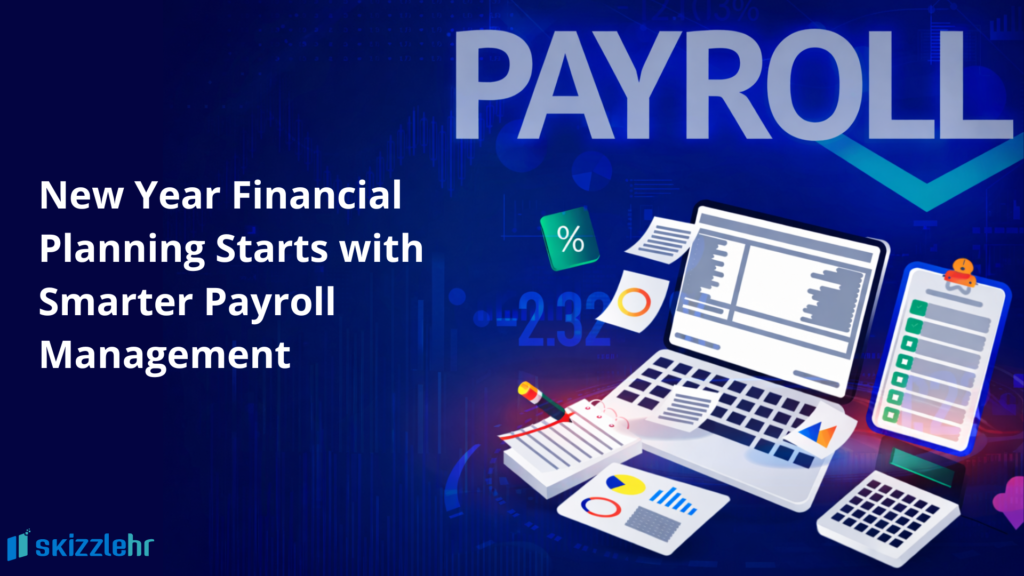
As organizations step into a new year, financial planning takes center stage. Budgets are reassessed, forecasts are refined, and leaders look for ways to optimize costs without compromising employee experience. While finance teams often focus on revenue projections and expense controls, one critical element is frequently underestimated: Payroll Management.
Payroll is not just a monthly operational task. It is one of the largest recurring expenses for most businesses and a powerful driver of accurate financial planning. When payroll processes are fragmented, manual, or reactive, financial plans are built on assumptions rather than insights. In contrast, smarter payroll management lays the foundation for confident, data-driven decision-making throughout the year.
Why Payroll Management Is Central to New Year Financial Planning ?
At the start of every year, organizations define their financial priorities. These include controlling costs, ensuring compliance, improving cash flow visibility, and aligning workforce spending with business goals. Payroll sits at the intersection of all these objectives.
Effective payroll planning provides clarity on fixed and variable workforce costs, including salaries, incentives, overtime, statutory contributions, and reimbursements. Without this clarity, financial planning becomes vulnerable to surprises such as unexpected payouts, compliance penalties, or budget overruns.
When payroll data is accurate and centralized, finance teams can forecast expenses more reliably, HR teams can plan workforce strategies confidently, and leadership gains a real-time view of how people costs impact overall business performance.
The Role of Payroll in Financial Planning Payroll Strategies
Modern financial planning payroll strategies go beyond processing salaries on time. They focus on aligning payroll data with broader financial goals. This includes understanding cost trends, identifying inefficiencies, and planning for growth or restructuring. For example, payroll insights can reveal patterns in overtime costs, frequent salary revisions, or department-wise cost distribution. These insights help organizations decide whether to hire new talent, redistribute workloads, or revise compensation structures. Without such visibility, financial planning remains reactive rather than strategic.
By integrating payroll into financial planning discussions early in the year, businesses can proactively manage workforce expenses instead of reacting to them later.
Challenges of Traditional Payroll Management in Financial Planning
Many organizations still rely on spreadsheets, disconnected tools, or partially automated systems for payroll. While these methods may work in the short term, they often create long-term challenges for financial planning.
Manual payroll processes increase the risk of errors, inconsistencies, and delays. Even small payroll mistakes can disrupt employee trust and lead to compliance issues. From a financial planning perspective, inaccurate payroll data distorts forecasts and makes it difficult to track actual versus planned expenses.
Additionally, traditional payroll systems often lack real-time reporting. Finance teams are forced to wait until month-end or quarter-end to analyze payroll costs, leaving little room for course correction during the year.
Smarter Financial Planning Payroll Enables Better Budget Control
Smarter payroll management brings automation, accuracy, and visibility into workforce costs. Automated calculations ensure salaries, deductions, and statutory contributions are processed correctly every cycle. This reduces the risk of unexpected expenses and compliance penalties.
With real-time payroll reports, finance teams can track payroll expenses as they occur. This makes it easier to monitor budget utilization, identify cost overruns early, and adjust financial plans accordingly. Over the course of the year, this level of control significantly improves financial discipline.
When payroll data is consistently aligned with budgets, organizations can make confident decisions about investments, expansions, or cost optimization initiatives.
Payroll Insights Support Workforce Planning Decisions
New year financial planning often involves workforce-related decisions such as hiring plans, role expansions, or incentive programs. Payroll management plays a crucial role in evaluating the financial impact of these decisions.
Accurate payroll data helps organizations assess the true cost of each role, including benefits, taxes, and variable pay. This enables HR and finance teams to collaborate more effectively on workforce planning. Instead of guessing affordability, decisions are backed by real numbers.
Payroll insights also support scenario planning. Businesses can model the financial impact of new hires, salary revisions, or changes in incentive structures before implementing them.
Compliance and Risk Reduction Through Better Payroll Management
Financial planning is incomplete without considering compliance and risk management. Payroll involves multiple statutory obligations, including tax deductions, social security contributions, and regulatory filings. Errors in these areas can result in fines, audits, and reputational damage.
Smarter payroll management systems are designed to stay aligned with regulatory requirements. Automated updates and built-in compliance checks reduce the risk of errors and ensure that payroll remains compliant throughout the year.
By minimizing compliance risks, organizations protect their financial plans from unexpected liabilities and disruptions.
Employee Trust and Its Financial Impact
Payroll accuracy directly impacts employee trust. Delayed or incorrect salary payments affect morale, productivity, and retention. High attrition, in turn, increases recruitment and training costs, disrupting financial plans.
Efficient payroll management ensures timely and transparent salary processing. When employees trust that payroll is accurate and consistent, organizations benefit from higher engagement and lower attrition. This stability plays an important role in maintaining predictable workforce costs over the year.
In this way, payroll management indirectly supports financial planning by reducing hidden costs associated with employee dissatisfaction.
Aligning Payroll with Business Growth Goals
As businesses grow, payroll complexity increases. Multiple locations, diverse salary structures, incentives, and compliance requirements make payroll management more challenging. Without scalable systems, growth can quickly strain financial planning efforts.
Smarter payroll management solutions are built to scale with business needs. They provide the flexibility to manage evolving compensation structures while maintaining financial control. This ensures that payroll remains an enabler of growth rather than a bottleneck.
When payroll systems are aligned with growth strategies, financial planning becomes more resilient and future-ready.
How SkizzleHR Supports Smarter Payroll Management ?
As organizations prioritize better financial planning in the new year, having the right payroll partner becomes essential. SkizzleHR’s payroll software is designed to simplify and strengthen payroll management while supporting strategic financial planning goals.
SkizzleHR offers automated payroll processing with configurable salary components, ensuring accuracy across every pay cycle. Its integrated approach connects payroll with attendance and HR data, giving finance teams a unified view of workforce costs. Real-time payroll reports help organizations track expenses, plan budgets, and make informed decisions with confidence.
With built-in compliance support and flexible payroll configurations, SkizzleHR helps businesses reduce risk, improve transparency, and align payroll operations with long-term financial objectives. By transforming payroll from a routine task into a strategic asset, SkizzleHR empowers organizations to start the year with stronger financial foundations.
Conclusion
New year financial planning is not just about numbers on a spreadsheet. It’s about building systems that provide clarity, control, and confidence throughout the year. Payroll Management plays a pivotal role in this journey by influencing budgets, compliance, workforce planning, and employee trust.
Organizations that invest in smarter payroll management set themselves up for better financial planning payroll outcomes, fewer surprises, and more strategic decision-making. As the year unfolds, these businesses are better equipped to adapt, grow, and stay financially resilient.
Starting the year with the right payroll strategy can make all the difference, and with solutions like SkizzleHR, payroll becomes a powerful driver of smarter financial planning.
You might also like

Start Growing with SkizzleHR
Our team is ready to guide you through an interactive demonstration, tailored to your business needs.
Request a demo