How Shift Planning Can Improve Productivity and Employee Satisfaction?
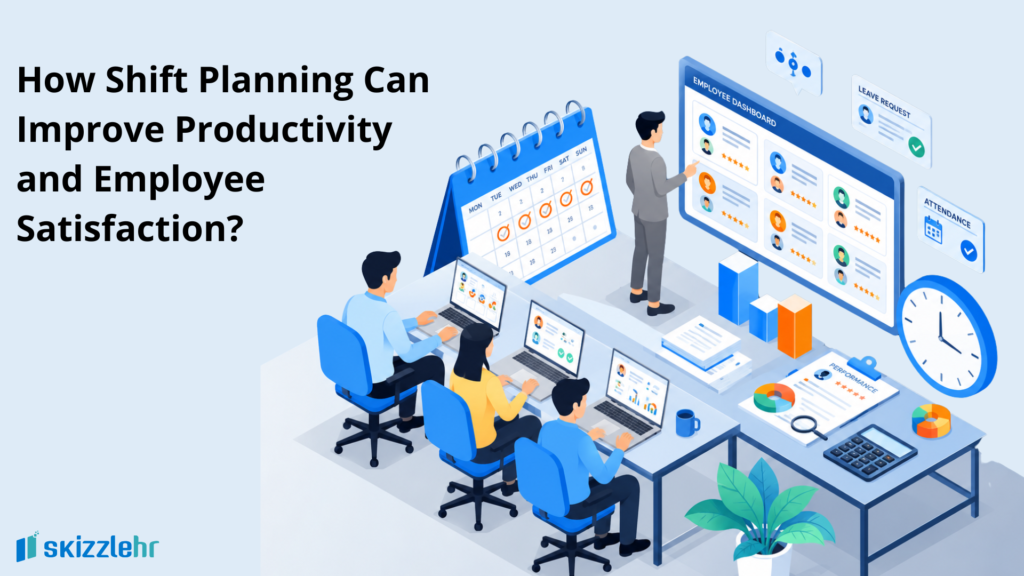
In industries where employees work across different shifts, effective workforce planning is critical to operational success. Whether it’s healthcare, retail, manufacturing, hospitality, logistics, or customer support, businesses depend on having the right employees available at the right time. Poor shift planning can lead to understaffing, employee burnout, increased absenteeism, and reduced productivity.
This is where shift management software becomes a valuable tool for modern organizations. By streamlining workforce planning and automating scheduling processes, businesses can ensure optimal staffing levels while creating a better work experience for employees.
In this blog, we’ll explore how effective shift planning improves productivity, enhances employee satisfaction, and why businesses are increasingly adopting employee shift scheduling software to manage their workforce more efficiently.
Understanding Shift Planning with Shift Management Software
Shift planning is the process of organizing employee work schedules to ensure adequate workforce coverage during operating hours. It involves assigning employees to shifts based on business requirements, employee availability, skills, labor regulations, and workload forecasts.
Traditional shift planning often relies on spreadsheets, manual calendars, or paper schedules. While these methods may work for smaller teams, they quickly become inefficient as organizations grow.
Modern businesses require a more agile approach to workforce scheduling, which is why many are adopting Shift Management Software to automate and optimize scheduling processes.
Why Shift Planning Matters?
Shift planning directly impacts both business performance and employee well-being. A poorly planned schedule can create operational challenges and negatively affect employee morale.
Common issues caused by ineffective shift planning include:
- Overworked employees
- Frequent scheduling conflicts
- Increased absenteeism
- Excessive overtime costs
- Poor customer service
- Reduced employee engagement
- Higher employee turnover
On the other hand, effective shift planning ensures smooth operations, balanced workloads, and a positive employee experience.
How Effective Shift Planning Improves Productivity?
1. Ensures Optimal Workforce Coverage
One of the biggest advantages of structured shift planning is maintaining the right staffing levels throughout the day.
When managers can accurately forecast staffing requirements, they can avoid situations where teams are understaffed during peak periods or overstaffed during slower times.
Proper workforce allocation helps employees perform their duties more efficiently while maintaining service quality and operational consistency.
2. Reduces Employee Fatigue
Employee fatigue is a major productivity killer. Excessive consecutive shifts, inadequate rest periods, and irregular scheduling can negatively impact employee performance.
Effective shift planning distributes workloads more evenly across the workforce, helping employees remain energized and productive throughout their shifts. Employees who are well-rested tend to:
- Make fewer mistakes
- Deliver higher-quality work
- Provide better customer service
- Maintain stronger workplace safety standards
3. Minimizes Scheduling Errors
Manual scheduling often results in overlapping shifts, missed assignments, or incorrect staffing allocations.
Using shift management software helps eliminate these common errors by automating scheduling processes and providing real-time visibility into workforce availability.
This reduces administrative effort while ensuring schedules remain accurate and reliable.
4. Improves Operational Efficiency
Managers often spend hours creating, updating, and communicating schedules manually. Automation allows managers to generate schedules quickly while considering factors such as:
- Employee availability
- Leave requests
- Shift preferences
- Skill requirements
- Compliance rules
By reducing administrative workload, managers can focus on strategic initiatives that improve overall business performance.
5. Supports Business Growth
As businesses expand, workforce scheduling becomes increasingly complex.
Organizations with multiple departments, locations, or rotating shifts require scalable scheduling solutions.
Employee Shift Scheduling Software enables businesses to manage growing workforces without significantly increasing administrative overhead, making expansion more manageable.
How Shift Planning Enhances Employee Satisfaction?
Productivity and employee satisfaction are closely connected. Employees who feel valued and supported are more likely to remain engaged and perform at their best.
1. Provides Schedule Predictability
Employees appreciate knowing their schedules in advance.
Unexpected shift changes can disrupt personal commitments, family responsibilities, and work-life balance.
Effective shift planning gives employees greater visibility into upcoming schedules, allowing them to plan their lives more effectively.
This predictability contributes significantly to job satisfaction.
2. Promotes Fair Shift Distribution
One common employee complaint is unfair scheduling.
Some employees may feel they consistently receive less desirable shifts, while others receive preferred schedules.
Modern shift management software can help ensure fair shift allocation by applying consistent scheduling rules and distributing workloads equitably.
This transparency helps build trust between employees and management.
3. Supports Work-Life Balance
Maintaining a healthy work-life balance is a top priority for today’s workforce.
Poor scheduling practices can lead to excessive overtime, frequent last-minute changes, and insufficient rest periods.
Employee Shift Scheduling Software helps organizations create balanced schedules that support employee well-being while meeting business needs. Employees who maintain a healthy balance between work and personal life tend to experience:
- Higher job satisfaction
- Improved mental well-being
- Reduced stress
- Greater workplace engagement
4. Enables Employee Flexibility
Many modern scheduling systems allow employees to:
- Request shift changes
- Swap shifts with colleagues
- Submit availability updates
- Apply for leave digitally
This level of flexibility gives employees greater control over their schedules and improves overall workplace satisfaction.
5. Reduces Workplace Conflicts
Scheduling disputes can create tension among employees and managers.
When schedules are transparent and consistently managed through a centralized platform, misunderstandings and conflicts are significantly reduced.
Clear communication and visibility help create a more positive workplace environment.
The Role of Technology in Modern Shift Planning
Today’s workforce demands flexibility, transparency, and convenience.
Businesses can no longer rely solely on spreadsheets or manual scheduling methods to meet these expectations. Modern employee shift scheduling software provides advanced capabilities such as:
- Automated Schedule Creation: Generate schedules based on predefined rules, staffing requirements, and employee availability.
- Real-Time Schedule Updates: Instantly communicate schedule changes to employees through mobile apps or notifications.
- Attendance Integration: Connect shift schedules with attendance records for accurate workforce tracking.
- Mobile Accessibility: Allow employees to access schedules, request changes, and receive updates from anywhere.
- Compliance Management: Ensure scheduling practices comply with labor laws, overtime regulations, and rest period requirements.
- Workforce Analytics: Monitor staffing trends, overtime costs, absenteeism rates, and scheduling efficiency through actionable reports.
These features help organizations improve workforce planning while reducing administrative burden.
Industries That Benefit Most from Shift Planning
While every business can benefit from effective workforce scheduling, certain industries rely heavily on shift-based operations.
- Healthcare: Hospitals and clinics require continuous staffing to provide quality patient care.
- Retail: Retail businesses must align staffing levels with customer traffic patterns.
- Manufacturing: Production facilities depend on shift scheduling to maintain operational efficiency and meet production targets.
- Hospitality: Hotels and restaurants need adequate staffing to deliver excellent guest experiences.
- Logistics and Warehousing: Distribution centers require coordinated scheduling to ensure timely deliveries and inventory management.
- Customer Support: Support teams often operate across multiple time zones and require round-the-clock coverage.
For these industries, effective shift planning directly impacts service quality, employee performance, and customer satisfaction.
Best Practices for Effective Employee Shift Scheduling Software
Organizations looking to improve workforce scheduling should consider the following practices:
- Forecast staffing needs accurately.
- Publish schedules well in advance.
- Consider employee preferences where possible.
- Avoid excessive overtime.
- Ensure compliance with labor regulations.
- Monitor scheduling effectiveness regularly.
- Use automation to reduce manual effort.
- Encourage employee feedback on scheduling practices.
Combining these strategies with modern Employee Shift Scheduling Software can significantly improve workforce management outcomes.
Transform Shift Planning with SkizzleHR
Managing shifts manually becomes increasingly challenging as your workforce grows. From balancing employee availability to handling rotating shifts, overtime calculations, and attendance tracking, scheduling complexities can quickly consume valuable HR and managerial time.
SkizzleHR’s comprehensive Shift Management Software is designed to simplify workforce scheduling while improving productivity and employee satisfaction. With features such as configurable shift management, shift rotation planning, attendance integration, mobile access, real-time workforce visibility, and automated scheduling workflows, SkizzleHR empowers organizations to manage shifts efficiently across locations and departments.
Whether you operate in healthcare, retail, manufacturing, hospitality, or any shift-based industry, SkizzleHR helps ensure the right employees are scheduled at the right time while supporting employee well-being and operational excellence.
By leveraging SkizzleHR’s advanced Employee Shift Scheduling Software, businesses can reduce scheduling errors, improve workforce utilization, enhance employee engagement, and create a more productive workplace for everyone.
Ready to streamline your shift planning process? Discover how SkizzleHR can help you build a smarter, more efficient workforce management strategy.
You might also like




Start Growing with SkizzleHR
Our team is ready to guide you through an interactive demonstration, tailored to your business needs.
Request a demo