How Skills-Based Hiring is Reshaping Recruitment in 2026?
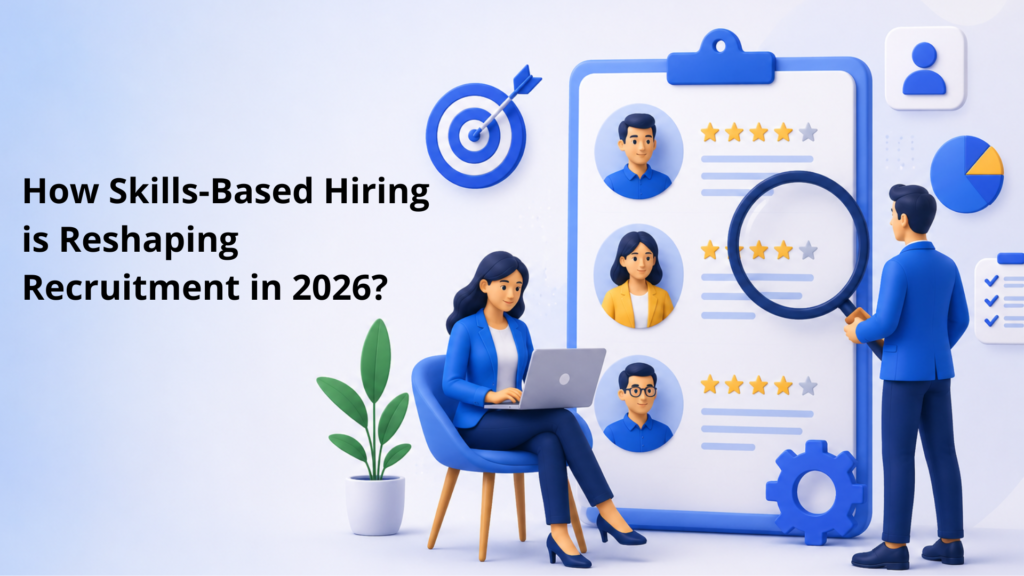
The recruitment landscape is evolving faster than ever. Organizations are no longer relying solely on degrees, years of experience, or prestigious job titles to identify the right candidates. Instead, employers are prioritizing what candidates can actually do. This shift toward Skills-Based Hiring is transforming the way businesses attract, assess, and retain talent in 2026.
Driven by rapid technological advancements, changing workforce expectations, and widening skill gaps, companies are embracing hiring practices that focus on competencies rather than credentials. As one of the most influential Talent Acquisition Trends, skills-based recruitment enables organizations to build agile, diverse, and future-ready workforces.
Whether you’re hiring software developers, sales professionals, healthcare workers, or frontline staff, evaluating candidates based on practical skills helps businesses make smarter hiring decisions while expanding access to a broader talent pool.
In this blog, we’ll explore why skills-based hiring is gaining momentum, its benefits, implementation strategies, and how modern HR platforms like SkizzleHR help organisations streamline recruitment and workforce management.
What is Skills-Based Hiring?
Skills-Based Hiring is a recruitment approach that evaluates candidates based on their knowledge, competencies, technical expertise, and practical abilities instead of emphasizing educational qualifications or traditional career paths.
Rather than filtering applicants based solely on degrees or years of experience, employers assess whether candidates possess the skills necessary to perform the role effectively.
Examples include:
- Technical assessments for developers
- Sales simulations for business development roles
- Communication exercises for customer support positions
- Portfolio reviews for designers
- Practical problem-solving tests for analysts
This hiring model allows companies to discover capable candidates who may have gained expertise through certifications, self-learning, previous projects, freelance work, apprenticeships, or hands-on experience.
Why Skills-Based Hiring is Growing in 2026?
Several workplace trends have accelerated the adoption of skills-first recruitment.
1. Rapid Technological Change
Technology evolves faster than traditional education. New tools, programming languages, AI platforms, and automation technologies require continuous learning.
Employers increasingly value candidates who can demonstrate current skills rather than outdated qualifications.
2. Increasing Skill Gaps
Many industries struggle to find professionals with specialized expertise.
Rather than limiting recruitment to degree holders, organizations are expanding candidate pools by evaluating real-world capabilities.
This enables businesses to fill positions faster while maintaining hiring quality.
3. Rise of Alternative Learning
Online certifications, bootcamps, industry training programs, and self-paced learning platforms have become mainstream.
Many highly skilled professionals no longer follow conventional educational paths.
Skills-based hiring recognizes these alternative learning experiences.
4. Remote and Global Hiring
Remote work allows business to recruit talent worldwide.
When hiring globally, practical skills become more important than local educational systems or traditional credentials.
Employers focus on productivity rather than pedigree.
5. AI-Powered Recruitment
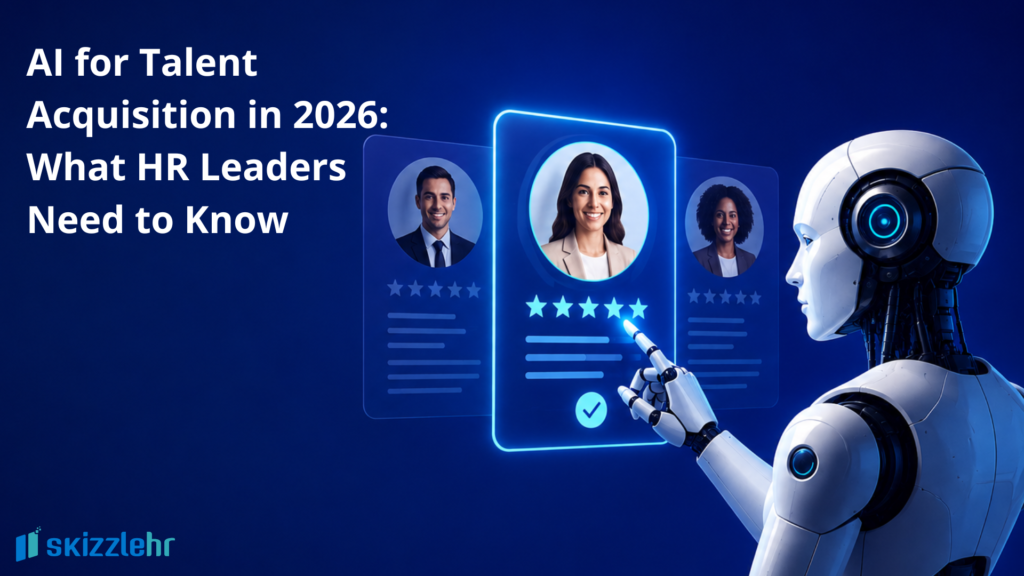
Modern recruitment platforms use AI to match skills with job requirements.
Instead of keyword matching based on job titles, intelligent recruitment systems identify transferable skills that align with business needs.
Benefits of Skills-Based Hiring
1.Better Hiring Accuracy
Candidates selected based on demonstrated competencies are often better prepared to perform their responsibilities from day one.
This reduces mismatched hires and improves overall recruitment quality.
2.Faster Recruitment
Traditional hiring often eliminates qualified candidates because they don’t meet rigid educational criteria.
By focusing on skills, recruiters access a much larger talent pool, helping reduce time-to-hire.
3.Improved Diversity
One of the biggest advantages of Skills-Based Hiring is increased workplace diversity.
Removing unnecessary degree requirements creates opportunities for candidates from different educational, socioeconomic, and professional backgrounds.
This leads to more inclusive hiring practices.
4.Higher Employee Performance
Employees hired for their actual capabilities tend to perform better because they already possess the required competencies.
Companies experience improved productivity, better customer satisfaction, and stronger business outcomes.
5.Lower Hiring Costs
Bad hires are expensive.
Recruiting candidates who genuinely match job requirements reduces turnover, onboarding costs, and repeated hiring expenses.
How Skills-Based Hiring Improves Candidate Experience?
Today’s candidates prefer fair and transparent recruitment processes.
Skills-based hiring creates a positive candidate experience by allowing applicants to showcase their strengths instead of being judged solely on resumes.
Candidates appreciate:
- Practical assessments
- Transparent evaluation criteria
- Equal opportunities
- Faster recruitment decisions
- Fair competition
This improves employer branding and attracts higher-quality applicants.
Skills-Based Hiring Across Different Industries
IT and Software
Companies assess:
- Programming
- Cloud platforms
- Cybersecurity
- AI knowledge
- System design
Practical coding assessments replace traditional resume screening.
Sales
Recruiters evaluate:
- Communication
- Negotiation
- Relationship building
- Product demonstrations
- Problem-solving
Role-play exercises often reveal stronger talent than resumes.
Healthcare
Healthcare companies increasingly assess:
- Clinical competencies
- Patient communication
- Emergency response
- Documentation accuracy
Skills testing ensures quality patient care.
Manufacturing
Manufacturers evaluate:
- Equipment handling
- Safety awareness
- Technical troubleshooting
- Quality control
Hands-on demonstrations become more valuable than academic credentials.
Customer Service
Recruiters assess:
- Active listening
- Conflict resolution
- Empathy
- Communication
- Technical knowledge
Simulation-based interviews produce better hiring outcomes.
Common Challenges of Skills-Based Hiring
Although highly effective, implementation requires planning.
1. Designing Skill Assessments
Poorly designed assessments may not accurately measure candidate abilities.
Organisations should create job-specific evaluation methods aligned with actual responsibilities.
2. Managing Large Applicant Volumes
Skills assessments generate significant amounts of candidate data.
Recruiters need modern recruitment systems to organize evaluations efficiently.
Internal Resistance
Hiring managers accustomed to traditional recruitment may hesitate to remove degree requirements.
HR leaders should educate stakeholders on the business value of skills-first hiring.
Continuous Skill Updates
Job requirements evolve rapidly.
Companies should regularly review competency frameworks to ensure hiring assessments remain relevant.
Best Practices for Implementing Skills-Based Hiring
Successful organizations follow several best practices.
1.Define Required Skills Clearly
Identify the technical, behavioral, and interpersonal skills essential for each role.
Avoid unnecessary qualification requirements.
2.Standardise Assessments
Use structured evaluations to ensure every candidate is assessed fairly.
Consistent evaluation improves hiring quality.
3. Use Multiple Evaluation Methods
Combine:
- Technical assessments
- Behavioral interviews
- Case studies
- Portfolio reviews
- Situational exercises
This provides a complete picture of candidate capability.
4.Train Hiring Managers
Managers should understand how to evaluate competencies objectively while minimizing unconscious bias.
5. Measure Hiring Outcomes
Track metrics such as:
- Time-to-hire
- Quality of hire
- Employee retention
- Performance ratings
- Hiring manager satisfaction
Continuous measurement helps refine recruitment strategies.
Skills-Based Hiring and Future Talent Acquisition Trends
Among today’s leading Talent Acquisition Trends, skills-first recruitment is expected to become the standard rather than the exception.
Business are increasingly investing in:
- AI-assisted candidate screening
- Predictive hiring analytics
- Skills intelligence platforms
- Internal talent marketplaces
- Workforce planning based on competencies
Future recruitment will focus less on resumes and more on verified capabilities.
Companies that adopt skills-based hiring today will gain a competitive advantage in attracting high-performing talent tomorrow.
How Technology Supports Skills-Based Hiring
Modern HR technology simplifies every stage of skills-first recruitment.
Recruitment software can help companies:
- Create structured hiring workflows
- Store candidate profiles centrally
- Track interview progress
- Manage recruitment pipelines
- Coordinate hiring teams
- Automate communication with candidates
- Generate hiring reports and analytics
Integrated HR platforms also make it easier to transition successful candidates into onboarding, attendance, payroll, performance management, and employee engagement without switching between multiple systems.
Technology ensures recruitment remains organized, data-driven, and scalable as hiring needs grow.
Why Skills-Based Hiring Matters for Long-Term Business Success?
Hiring employees based on demonstrated abilities creates stronger teams capable of adapting to changing business demands. As industries continue to evolve, organizations need workforces that can learn quickly, solve problems creatively, and embrace new technologies.
By focusing on skills instead of conventional credentials, businesses can access untapped talent, reduce hiring bias, improve workforce diversity, and build a culture centered on continuous learning and growth. This approach not only strengthens recruitment outcomes but also contributes to better employee retention, higher productivity, and long-term organizational resilience.
How SkizzleHR Helps Modern Recruitment?
As Skills-Based Hiring becomes a defining strategy for successful organizations, businesses need HR technology that simplifies recruitment while supporting the entire employee lifecycle.
SkizzleHR offers an integrated HRMS platform that helps organizations manage recruitment, onboarding, employee records, attendance, leave, payroll, performance, and engagement from a single dashboard. Recruiters can streamline hiring workflows, maintain organized candidate information, collaborate with hiring managers, and ensure a smooth transition from recruitment to onboarding.
Beyond recruitment, SkizzleHR empowers HR teams with AI-powered assistance through its AI Co-Pilot, employee self-service capabilities, attendance and shift management, payroll automation, and comprehensive workforce analytics. By reducing administrative work and centralizing HR operations, SkizzleHR enables businesses to focus on hiring the right talent, developing employee skills, and building a future-ready workforce.
Conclusion
The future of recruitment is no longer defined by degrees or job titles—it is defined by capability. Skills-Based Hiring is helping organizations identify talent based on what candidates can contribute, creating fairer hiring processes, stronger teams, and more resilient businesses.
As one of the most impactful Talent Acquisition Trends in 2026, this approach allows companies to bridge skill gaps, improve hiring quality, and stay competitive in an ever-changing job market. By combining skills-first recruitment with modern HR technology like SkizzleHR, organizations can streamline hiring, enhance employee experiences, and build a workforce equipped to drive sustainable business growth.
Schedule a FREE demo!

Start Growing with SkizzleHR
Our team is ready to guide you through an interactive demonstration, tailored to your business needs.
Request a demo