DEI Calls for Real Action from HR Teams: How to Build a Truly Inclusive Workplace
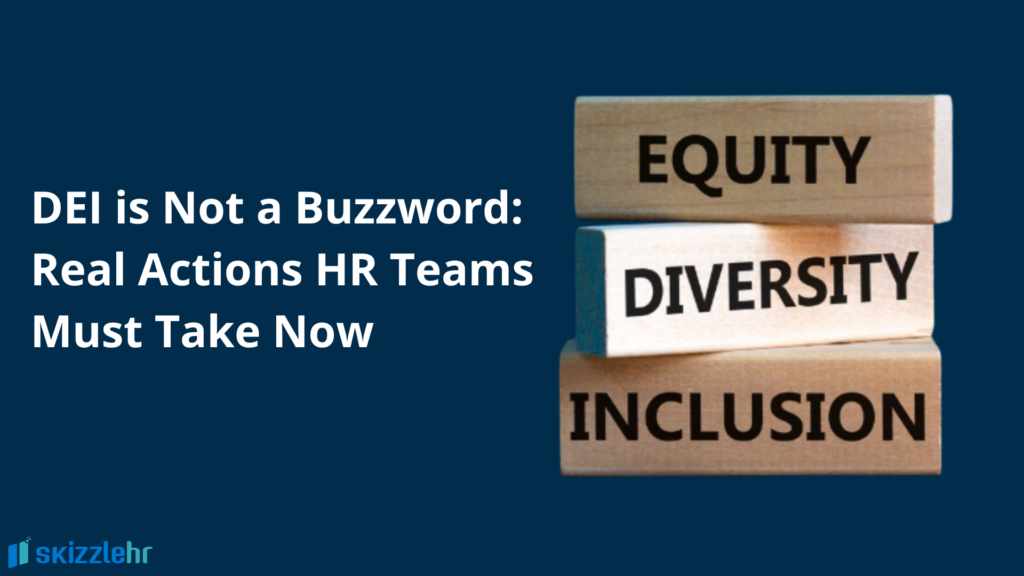
Today’s workforce expects more than diversity statements and annual awareness campaigns. Employees want workplaces where everyone has equal opportunities to grow, contribute, and succeed. This is why Diversity, Equity & Inclusion (DEI) has become a strategic business priority rather than just an HR initiative.
While many organizations publicly support DEI, turning those commitments into meaningful workplace practices remains a challenge. Creating an inclusive culture requires intentional action, measurable goals, and continuous improvement—not just policies on paper.
HR teams are uniquely positioned to lead this transformation by embedding DEI into every stage of the employee lifecycle. When organizations prioritize inclusion, they not only improve employee satisfaction but also strengthen innovation, collaboration, and long-term business performance.
Why DEI Matters More Than Ever?
Research consistently shows that organizations with diverse and inclusive teams outperform their competitors. Employees who feel respected and valued are more engaged, productive, and loyal.
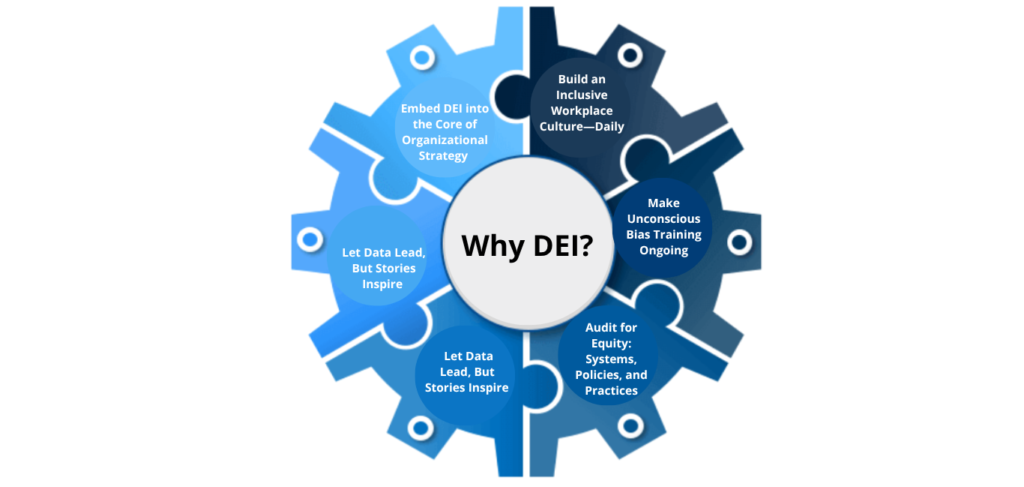
A strong DEI strategy helps organizations:
- Improve employee engagement and retention
- Attract top talent from diverse backgrounds
- Encourage innovation through different perspectives
- Reduce unconscious bias in workplace decisions
- Strengthen employer branding and company culture
However, achieving these outcomes requires more than hiring a diverse workforce. Organizations must create an environment where every employee has equal access to opportunities and feels a genuine sense of belonging.
1. Make DEI Part of Your Business Strategy
DEI should never be treated as a standalone HR initiative. Instead, it should be integrated into every aspect of workforce management—from recruitment and onboarding to performance management, promotions, learning, and succession planning.
HR leaders should regularly review workplace policies to ensure they support fairness and equal opportunity. This includes:
- Writing inclusive job descriptions
- Standardizing hiring practices
- Promoting pay equity
- Providing accessible workplaces
- Offering flexible and inclusive employee benefits
When DEI becomes part of everyday decision-making, organizations build stronger and more resilient workplaces.
2. Build an Inclusive Workplace Culture Every Day
Inclusion goes beyond celebrating cultural events or observing awareness days. It is reflected in everyday interactions, leadership behaviors, and workplace decisions.
Employees perform at their best when they feel psychologically safe to share ideas, express concerns, and contribute without fear of discrimination.
HR teams can strengthen workplace inclusion by:
- Supporting Employee Resource Groups (ERGs)
- Encouraging open communication
- Recognizing diverse cultural celebrations
- Providing inclusive leadership training
- Creating mentorship opportunities for underrepresented employees
An inclusive culture is built through consistent actions—not occasional initiatives.
3. Move Beyond One-Time Unconscious Bias Training
Everyone carries unconscious biases that can influence hiring, promotions, performance reviews, and daily workplace interactions.
Many organizations conduct bias training only once a year. While helpful, this approach rarely creates lasting behavioral change.
Effective unconscious bias training should:
- Include real workplace scenarios
- Be role-specific for managers and recruiters
- Offer continuous learning opportunities
- Measure behavioral improvements over time
By making bias awareness part of everyday work, organizations can make fairer and more objective decisions.
4. Regularly Audit HR Policies for Equity
Equity means providing employees with the support and opportunities they need to succeed—not simply treating everyone the same.
Regular HR audits help identify hidden inequalities in recruitment, promotions, compensation, and career development.
Ask important questions such as:
- Are promotion opportunities equally available to everyone?
- Is compensation fair across similar roles?
- Do all employees have equal access to learning and development programs?
- Are workplace policies inclusive for employees with different needs?
Regular reviews help organizations identify improvement areas before they become larger challenges.
5. Use Data to Measure DEI Progress
Successful DEI initiatives are measurable.
Modern HR teams should use workforce analytics to monitor:
- Workforce diversity
- Hiring and promotion trends
- Pay equity
- Employee retention
- Engagement survey results
- Training completion rates
While data provides valuable insights, employee feedback offers equally important context. Anonymous surveys, one-on-one conversations, and employee listening programs help HR understand the experiences behind the numbers.
Combining data with employee insights enables better, more informed decision-making.
6. Make Leaders Accountable for DEI Success
DEI initiatives achieve meaningful results only when leadership actively supports them.
Business leaders should be responsible for creating inclusive teams, improving representation, and fostering equitable workplace practices.
Organizations can strengthen accountability by:
- Including DEI goals in leadership KPIs
- Reviewing progress regularly
- Sharing measurable outcomes with employees
- Recognizing inclusive leadership behaviors
When leaders demonstrate commitment through action, employees are more likely to trust the organization’s DEI efforts.
How SkizzleHR Helps Organizations Build Inclusive Workplaces?
Creating an inclusive workplace becomes much easier when HR teams have the right technology.
SkizzleHR empowers organizations to embed DEI into everyday HR operations through intelligent automation, workforce analytics, and employee engagement tools.
With SkizzleHR, HR teams can:
- Reduce hiring bias using AI-powered candidate shortlisting and blind screening
- Deliver personalized unconscious bias training through an integrated Learning Management System (LMS)
- Monitor workforce diversity using real-time HR analytics dashboards
- Collect anonymous employee feedback to promote psychological safety
- Automate inclusive HR policies, leave management, and workplace accommodations
- Track employee engagement and retention across different workforce segments
Instead of managing DEI manually, HR leaders gain actionable insights that help create fair, transparent, and inclusive workplaces.
The Future of HR Starts with Inclusive Leadership
Diversity, Equity & Inclusion is not a short-term initiative or a compliance requirement—it is a long-term business strategy that shapes workplace culture and employee experience.
Organizations that invest in DEI today build stronger teams, improve innovation, and create workplaces where every individual has the opportunity to thrive.
HR leaders have the responsibility—and the opportunity—to turn DEI commitments into measurable action.
With the right people, processes, and technology, building an inclusive workplace becomes a sustainable reality.
Ready to Build a More Inclusive Workplace?
Discover how SkizzleHR can help your organization streamline HR operations while supporting meaningful Diversity, Equity & Inclusion initiatives.
Schedule a FREE demo today!
You might also like

Start Growing with SkizzleHR
Our team is ready to guide you through an interactive demonstration, tailored to your business needs.
Request a demo