Emotional Intelligence in HR: The Secret to Better People Management
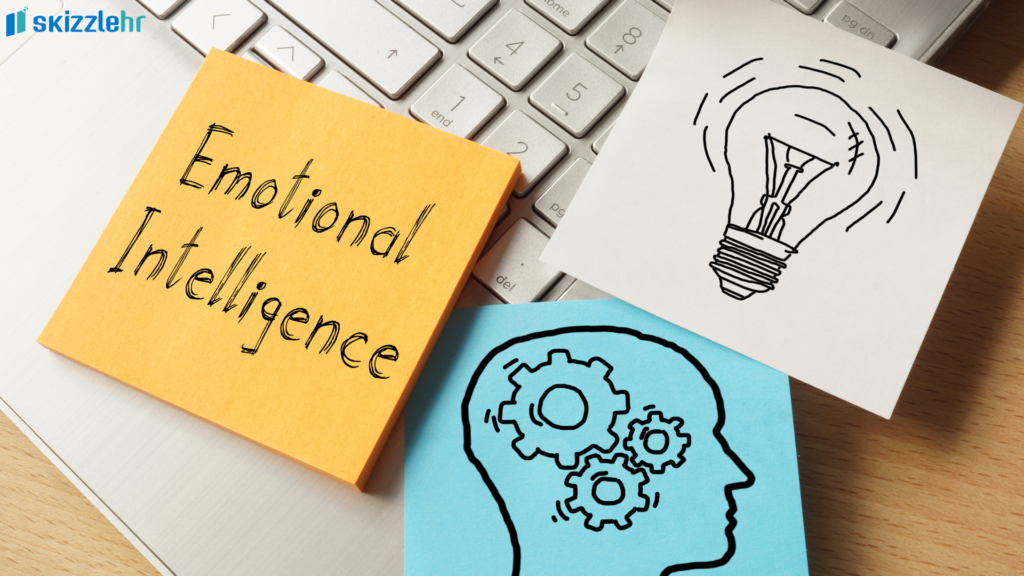
In today’s fast-paced, tech-driven work environments, HR isn’t just about policies and payroll anymore. It’s about people. And when it comes to understanding and managing people effectively, emotional intelligence in HR plays a far greater role than any manual or checklist can provide.
From navigating conflicts and managing performance to boosting morale and fostering inclusion people management skills and emotional intelligence at the workplace are now considered foundational to great HR leadership. But what exactly does emotional intelligence mean in the HR context, and how can it transform your organization? Let’s explore.
What Is Emotional Intelligence in HR?
Emotional intelligence (EI) at the workplace is the ability to recognize, understand, and manage your own emotions while also being able to empathize with the emotions of others. For HR professionals, this skill isn’t just useful—it’s essential. Think about it. HR sits at the intersection of business goals and human behavior. Whether you’re conducting interviews, addressing grievances, or rolling out new policies, how you manage emotions—both yours and others’—can make or break your people strategy.
In HR, emotional intelligence translates into:
- Active listening and understanding employees’ unspoken concerns
- Managing tough conversations with empathy and professionalism
- Diffusing tensions before they escalate
- Building deeper connections across departments
- Enhancing organizational culture through trust and transparency
Why Emotional Intelligence Matters for Better People Management Skills?
Traditional HR relied heavily on rule enforcement and compliance. But modern HR requires a human-centric approach, where emotional intelligence at the workplace is the glue that binds effective people management skills.
Here’s how EI directly contributes to better people management:
1. Improved Conflict Resolution
Conflict is inevitable in any workplace. The difference lies in how it’s managed. HR leaders with high emotional intelligence can recognize emotional triggers early, mediate with empathy, and help both parties feel heard leading to quicker, more amicable resolutions.
2. More Effective Communication
Emotional intelligence in HR professionals ensures messages—whether positive or critical—are conveyed with clarity and compassion. It’s not just about what you say, but how you say it. This soft skill is a game-changer in feedback sessions, performance reviews, and policy rollouts.
3. Higher Employee Engagement
Employees don’t leave jobs—they leave environments where they feel misunderstood, underappreciated, or invisible. HR teams with strong emotional intelligence can read between the lines of surveys and check-ins, spot disengagement early, and tailor strategies to re-engage employees authentically.
4. Stronger Leadership and Influence
An emotionally intelligent HR professional earns trust, and with trust comes influence. Whether championing a DEI initiative or leading a cultural shift, HR can inspire positive change more effectively when it leads with empathy and emotional awareness.
5. Resilience During Change
Change can be unsettling. HR is often responsible for guiding teams through transitions—be it restructuring, policy changes, or technology adoption. Emotional intelligence at workplace enables HR to acknowledge concerns, maintain transparency, and create a sense of psychological safety.
How to Develop Emotional Intelligence in HR Teams?
While some aspects of EI may come naturally, the good news is emotional intelligence is a skill that can be developed. Here’s how HR teams can build it:
1. Practice Self-Awareness
Encourage HR professionals to reflect on their own emotional patterns, biases, and stress triggers. The more aware they are of their internal responses, the better they can regulate them in high-stakes situations.
️ 2. Emphasize Active Listening
Move beyond transactional communication. HR should create space for employees to express themselves fully without interruption. Listening without judgment or immediate problem-solving builds trust and opens doors for honest conversations.
3. Cultivate Empathy
Understanding perspectives outside your own is the cornerstone of people management skills. HR can build empathy through exposure, such as by engaging with diverse employee groups, conducting stay interviews, and genuinely seeking to understand different work-life experiences.
4. Train for Situational Awareness
EI also involves reading the room, including non-verbal cues, emotional undercurrents, and team dynamics. HR teams can sharpen this by practicing mindfulness and engaging in group reflections after meetings or interventions.
5. Provide Feedback Thoughtfully
The way feedback is delivered can uplift or demoralize. Emotionally intelligent HR professionals deliver feedback constructively, focusing on behaviors rather than personalities, and ensuring support is available for growth.
Real-World Impact: Emotional Intelligence at the Workplace
Companies that prioritize emotional intelligence within their HR teams see measurable improvements in employee satisfaction, retention, and collaboration.
Imagine a workplace where:
- Exit interviews reveal insights, not just reasons
- Employees feel psychologically safe to raise concerns
- Diversity isn’t just a metric—it’s truly valued
- HR isn’t feared, but seen as a trusted ally
This is the power of emotional intelligence at the workplace.
The SkizzleHR Advantage: Elevating People Management Skills with Smart Tools
While emotional intelligence is deeply human, the right technology can support and enhance it. SkizzleHR integrates people analytics, sentiment insights, and conversational HR tools that help HR teams act with empathy and intelligence. From tracking employee pulse and managing feedback loops to simplifying communication across hierarchies, our modern HRMS software solution provides HR teams with real-time data and context—so they can focus on people, not paperwork.
If you’re ready to move beyond basic processes and foster emotionally intelligent HR practices, SkizzleHR is your strategic partner.
Final Thoughts
Emotional intelligence in HR is not just a buzzword—it’s a must-have skill in an age where people are the biggest asset. The ability to connect, understand, and respond with emotional insight is what turns HR from a function into a force for culture and transformation. And when combined with smart tools like SkizzleHR, the results are powerful: engaged employees, better decisions, and workplaces where people thrive.
Ready to humanize your HR with emotional intelligence and modern HR tech?
Explore SkizzleHR today.
You might also like

Start Growing with SkizzleHR
Our team is ready to guide you through an interactive demonstration, tailored to your business needs.
Request a demo