HR Data Not Driving Business Results? Here’s What You’re Missing
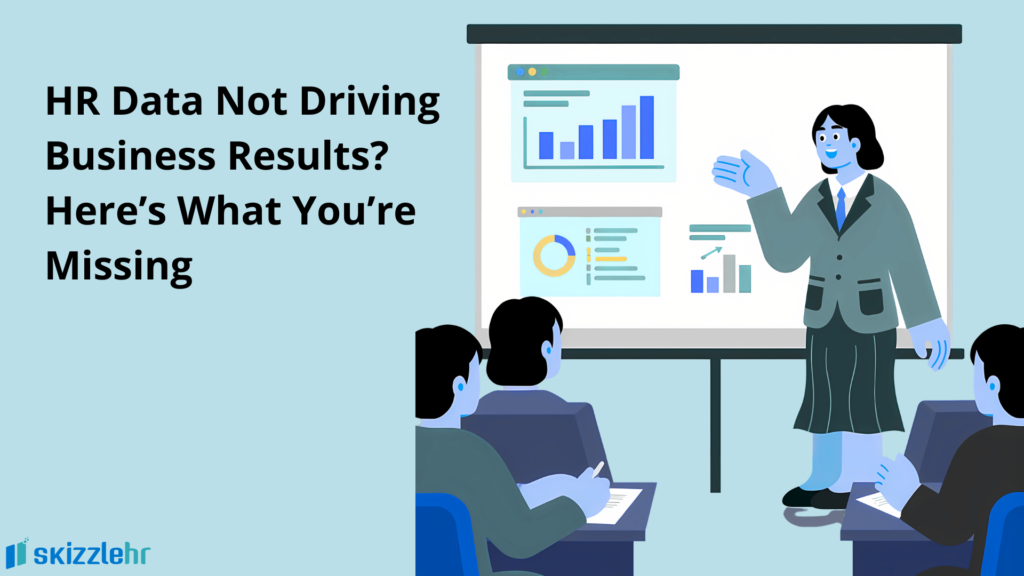
In today’s data-driven world, organizations are investing heavily in HR systems, dashboards, and reports. Yet, many HR leaders still struggle with a critical question: Why isn’t our HR data translating into real business results?
The truth is, simply collecting data isn’t enough. Without the right approach to HR analytics and HR data management, your data remains just numbers, failing to drive meaningful decisions, productivity, or growth.
Let’s explore what might be going wrong, and more importantly, what you’re missing.
Understanding the True Role of HR Analytics
At its core, HR analytics is the process of collecting and analyzing employee-related data to improve workforce and business outcomes.

It goes beyond basic reporting. Instead of asking “What happened?”, HR analytics helps answer:
- Why did it happen?
- What will happen next?
- What should we do about it?
Organizations that effectively use HR analytics can:
- Improve hiring decisions
- Boost employee performance
- Reduce attrition
- Align HR strategy with business goals
So, if your HR data isn’t delivering results, the issue isn’t the data, it’s how you’re using it.
The Real Problem: Data Without Direction
One of the biggest challenges in HR data management is collecting data without a clear purpose.
Many organizations track:
- Attendance
- Payroll
- Leave records
- Performance metrics
But fail to connect these insights to business outcomes.
Without direction, HR data becomes:
- Fragmented across systems
- Difficult to interpret
- Disconnected from strategic goals
As a result, HR teams end up reporting numbers instead of driving impact.
1. From Data Collection to Data Strategy
Collecting HR data is easy. Turning it into strategy is where most organizations fall short.
A strong HR data management strategy focuses on:
- Identifying key business goals (e.g., reducing attrition)
- Mapping HR metrics to those goals
- Continuously tracking progress
For example:
- Instead of just tracking employee turnover, ask:
- Which departments have the highest attrition?
- What factors contribute to it?
- How does it impact revenue or productivity?
This shift transforms HR from operational to strategic.
2. Actionable Insights, Not Just Reports
Many HR teams generate reports, but very few generate insights.
Reports tell you what happened.
Insights tell you what to do next.
HR data management should help you:
- Identify trends in employee performance
- Predict future workforce challenges
- Optimize hiring and training strategies
Organizations using analytics can even anticipate issues like rising turnover and address them proactively.
If your data isn’t actionable, it’s not valuable.
3. Breaking Data Silos
Disconnected systems are a major barrier to effective HR data management.
When payroll, attendance, performance, and recruitment data exist in separate tools:
- Insights become incomplete
- Decision-making slows down
- Errors increase
The solution? A centralized system that integrates all HR data.
A unified approach ensures:
- Single source of truth
- Accurate and real-time insights
- Better collaboration across departments
4. Moving Beyond Descriptive Analytics
Many organizations stop at descriptive analytics, simply understanding what has already happened. But true business impact comes from:
- Diagnostic analytics – Why did it happen?
- Predictive analytics – What will happen next?
- Prescriptive analytics – What should we do?
Advanced HR data management enables companies to forecast trends like:
- Employee attrition
- Hiring success rates
- Workforce productivity
And make smarter, faster decisions.
5. Aligning HR with Business Outcomes
HR data management becomes powerful only when it aligns with business KPIs. Instead of tracking HR metrics in isolation, connect them to:
- Revenue growth
- Customer satisfaction
- Operational efficiency
For example:
- High employee engagement → Better productivity
- Faster hiring → Reduced operational delays
- Lower absenteeism → Increased output
HR data management helps bridge this gap by linking workforce data directly to business performance.
6. Data Quality Over Data Quantity
More data doesn’t always mean better decisions. Poor HR data management often leads to:
- Duplicate records
- Inaccurate reports
- Misleading insights
Focus on:
- Clean, structured data
- Consistent data entry processes
- Regular audits
High-quality data ensures reliable analytics, and better outcomes.
7. Leadership Buy-In and Data Culture
Even the best HR data management tools won’t work without a data-driven culture. Organizations must:
- Encourage data-based decision-making
- Train managers to interpret HR insights
- Integrate analytics into daily workflows
Without leadership support, HR data management remains underutilized.
The Cost of Ignoring HR Data Management
If your HR data isn’t driving results, you’re not just missing opportunities, you’re losing money. Without proper analytics:
- Hiring becomes inefficient
- Attrition costs rise
- Productivity declines
- Strategic decisions rely on guesswork
Since workforce costs are often the largest expense for businesses, lack of insight can lead to significant financial losses.
Turning HR Data Management into Business Growth
To truly unlock the value of HR data, organizations must:
- Adopt a strategic approach to HR analytics
- Invest in centralized HR data management systems
- Focus on actionable insights
- Align HR metrics with business goals
When done right, HR data management doesn’t just support HR, it drives the entire business forward.
How SkizzleHR Helps You Unlock the Power of HR Data Management ?
If you’re struggling to turn HR data into business results, the right tool makes all the difference.
SkizzleHR’s HR Analytics solution is designed to go beyond basic reporting and deliver real business impact. With SkizzleHR, you can:
- Gain real-time insights into workforce performance
- Track attendance, payroll, and employee trends in one place
- Use data-driven dashboards for smarter decision-making
- Identify patterns like attrition, absenteeism, and productivity gaps
- Align HR metrics with business outcomes effortlessly
Unlike traditional systems, SkizzleHR combines powerful HR analytics with seamless HR data management, giving you a complete view of your workforce.
Final Thoughts
If your HR data isn’t delivering results, the issue isn’t the data, it’s the approach. By shifting from reporting to analytics, from silos to integration, and from intuition to data-driven decisions, you can transform HR into a true business driver.
Because in today’s competitive landscape, organizations that leverage HR analytics effectively don’t just manage people, they unlock their full potential.
Schedule a FREE demo!
You might also like

Start Growing with SkizzleHR
Our team is ready to guide you through an interactive demonstration, tailored to your business needs.
Request a demo