HR Data Security in the Digital Age: How to Protect Sensitive Employee Information
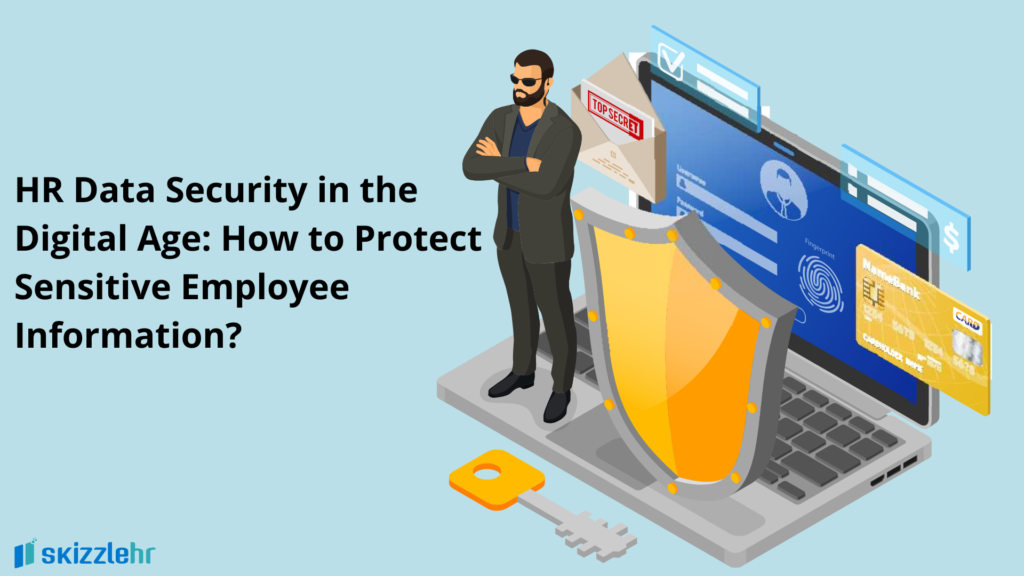
In today’s fast-paced digital workplace, HR Data Security is no longer just a compliance requirement—it’s a business necessity. Small and medium-sized businesses (SMBs) rely heavily on HR software to streamline payroll, attendance, onboarding, and employee management. However, with sensitive employee information like financial details, identification records, and performance data stored digitally, HR managers face an important question: How do we protect employee data without compromising efficiency and usability?
This blog explores the challenges of safeguarding HR data, the role of data encryption in HR software, and how modern HR platforms can help organizations strike the right balance between security and ease of use.
Why HR Data Security Matters More Than Ever?
HR departments deal with some of the most confidential information in any company. From salary slips to medical records, data handled by HR can be a target for cybercriminals or even result in internal breaches if not managed properly. A data leak can damage employee trust, invite legal penalties, and harm the organization’s reputation.
For SMBs, the risks are even higher because:
- They often lack dedicated IT security teams.
- Many rely on outdated HR software with weak protections.
- Compliance with data privacy laws (like GDPR or India’s DPDP Act) is increasingly stringent.
This makes data encryption in HR software a core priority for every HR manager, not an afterthought.
Common Threats to data encryption in HR software
Understanding the risks is the first step to protection. Some of the biggest threats include:
- Phishing attacks and weak passwords: Employees may unknowingly expose login details.
- Unauthorized internal access: HR staff or managers might access records beyond their scope.
- Data breaches and ransomware: Cyberattacks targeting payroll or employee identity details.
- Improper data storage: Using unsecured spreadsheets or legacy systems that lack encryption.
These threats underline the importance of advanced safeguards like data encryption in HR software and role-based access controls.
How Data Encryption in HR Software Strengthens Security?
One of the most effective defenses against breaches is encryption. With data encryption in HR software, sensitive employee data is converted into unreadable code that only authorized users can access with the correct keys.
Here’s why encryption is crucial for HR managers:
- Protects data at rest and in transit: Whether stored on servers or being shared between systems, data remains secure.
- Reduces impact of breaches: Even if hackers gain access, encrypted data is useless without decryption keys.
- Supports compliance: Regulatory bodies often mandate encryption for sensitive records.
- Builds trust with employees: Staff feel reassured knowing their private information is safe.
By integrating encryption seamlessly into HR systems, businesses can ensure security without disrupting usability.
Best Practices for data encryption in HR software
Beyond encryption, HR teams can adopt several best practices to ensure airtight protection of employee information:
- Role-Based Access – Limit access to sensitive data based on job responsibilities.
- Two-Factor Authentication (2FA) – Add an extra layer of security to logins.
- Regular Audits and Monitoring – Track who accessed what data and when.
- Cloud-Based Security Measures – Modern HR software often provides automatic updates and strong security patches.
- Employee Training – Educate staff on recognizing phishing attempts and following data safety protocols.
These steps ensure that HR data remains secure without complicating day-to-day operations.
Why Ease of Use Still Matters?
While HR managers want robust security, they cannot afford systems that are overly complex or slow. Security should not come at the expense of usability. Many SMBs adopt HR software only to realize that navigating permissions, encryption settings, or compliance features is too technical and time-consuming.
This is where the right HR solution makes a difference: combining HR Data Security with an intuitive, user-friendly design.
SkizzleHR: Security Meets Simplicity
At SkizzleHR, we understand that HR managers of small and medium-sized companies need both strong HR Data Security and ease of use. That’s why our platform is designed to deliver:
- Built-in data encryption to protect sensitive employee information.
- Role-based access controls for precise data management.
- Compliance-ready features aligned with modern data protection regulations.
- Seamless user experience, so HR teams can focus on people, not technical hurdles.
With SkizzleHR, businesses don’t have to choose between security and simplicity—they get both.
Conclusion
In the digital age, HR Data Security is not just about preventing breaches; it’s about building a workplace where employees feel safe sharing their information. By leveraging data encryption in HR software and following best practices, HR managers can safeguard sensitive employee data without compromising usability.
If you’re looking for a secure, intuitive HR platform tailored for SMBs, SkizzleHR is here to help. Protect your data, simplify your processes, and empower your workforce—all in one platform.
👉See how easy HR security can be.
You might also like


Start Growing with SkizzleHR
Our team is ready to guide you through an interactive demonstration, tailored to your business needs.
Request a demo