What Is HR Compliance? A Complete Guide for Modern Enterprises
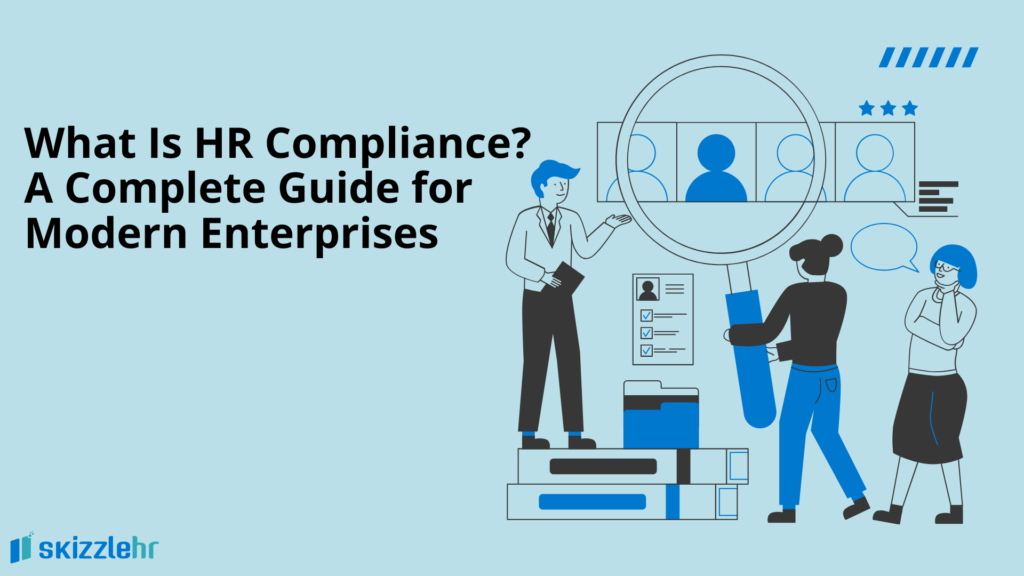
In today’s complex regulatory landscape, HR compliance has become a critical pillar for large organizations. With evolving labor laws, data privacy regulations, and workplace standards, enterprises can no longer afford fragmented or manual compliance processes. A single oversight can result in hefty penalties, reputational damage, and operational disruptions.
For modern enterprises managing large, distributed teams, HR compliance is not just about following rules, it’s about building a resilient, ethical, and future-ready organization.
What Is HR Compliance?
HR compliance refers to the process of ensuring that an organization adheres to all applicable labor laws, employment regulations, and internal policies governing the workforce. It includes everything from hiring practices and payroll management to workplace safety and employee rights.
For enterprises, compliance spans across multiple regions, departments, and employment types, making it significantly more complex than for smaller businesses.
Why HR Compliance Matters for Large Enterprises?
1. Avoiding Legal Risks and Penalties
Large organizations are more visible and therefore more scrutinized by regulatory bodies. Non-compliance can lead to fines, lawsuits, or even business restrictions.
2. Building Organizational Trust
Compliance ensures fair treatment of employees, which strengthens trust, boosts morale, and enhances employer branding—especially important for enterprises competing for top talent.
3. Ensuring Operational Continuity
Compliance failures can disrupt operations, delay projects, or halt expansion plans. A structured compliance framework ensures smooth and uninterrupted business functioning.
4. Supporting Global Expansion
For enterprises operating across geographies, compliance ensures adherence to local labor laws, helping avoid cross-border legal complications.
Key Areas of HR Compliance
1. Employment Laws and Contracts
Organizations must ensure that employment contracts align with local labor laws, including wages, working hours, and termination policies.
2. Payroll and Tax Compliance
Accurate payroll processing, tax deductions, and statutory contributions (like PF, ESIC, etc.) are essential components of compliance.
3. Workplace Safety and Health
Enterprises must adhere to safety regulations, conduct regular audits, and provide a secure working environment.
4. Data Protection and Privacy
With increasing reliance on digital systems, safeguarding employee data in line with privacy regulations is crucial.
5. Anti-Discrimination and Equal Opportunity
Policies must promote inclusivity and prevent discrimination based on gender, age, religion, or other factors.
6. Leave and Benefits Management
Organizations must comply with laws governing paid leave, maternity benefits, and employee welfare schemes.
Common HR Compliance Challenges in Enterprises
- Managing Multi-Location Compliance: Enterprises often operate across multiple states or countries, each with its own regulations. Keeping track of these variations is a major challenge.
- Handling Large Workforce Data: With thousands of employees, maintaining accurate and up-to-date records becomes difficult without automation.
- Keeping Up with Regulatory Changes: Labor laws and compliance requirements frequently evolve, making it hard for HR teams to stay updated manually.
- Ensuring Policy Standardization: Aligning company policies with regional regulations while maintaining consistency across locations is complex.
- Audit Readiness: Preparing for audits requires organized documentation and accurate reporting, which can be time-consuming without the right tools.
HR Compliance Checklist for Modern Enterprises
A structured HR compliance checklist helps organizations stay on track and minimize risks. Here’s a comprehensive framework:
✔ Employee Documentation
Ensure all employee records, contracts, and identification documents are complete and securely stored.
✔ Payroll Accuracy
Verify salary calculations, tax deductions, and statutory contributions regularly.
✔ Statutory Compliance
Stay updated with local labor laws, including PF, ESIC, gratuity, and minimum wage regulations.
✔ Attendance and Working Hours
Track employee working hours, overtime, and leave balances accurately.
✔ Workplace Policies
Maintain clear policies on anti-harassment, diversity, and workplace conduct.
✔ Health and Safety Standards
Conduct regular safety checks and training programs for employees.
✔ Data Security Measures
Implement robust systems to protect employee data and prevent breaches.
✔ Audit and Reporting
Prepare periodic compliance reports and ensure readiness for internal and external audits.
Best Practices to Strengthen HR Compliance
1. Centralize HR Processes
A unified system ensures consistency and eliminates data silos across departments and locations.
2. Automate Compliance Workflows
Automation reduces manual errors, ensures timely updates, and simplifies complex processes like payroll and reporting.
3. Conduct Regular Audits
Frequent internal audits help identify gaps and address issues before they escalate.
4. Train HR Teams and Managers
Continuous training ensures that stakeholders understand compliance requirements and follow best practices.
5. Leverage Data and Analytics
Real-time insights enable proactive decision-making and help track compliance performance across the organization.
The Role of Technology in HR Compliance
For modern enterprises, manual compliance management is no longer sustainable. HR technology plays a vital role in:
- Automating payroll and statutory calculations
- Tracking attendance and working hours in real time
- Maintaining centralized employee records
- Generating compliance reports instantly
- Ensuring data security and access control
By integrating compliance into everyday HR processes, technology reduces risks and improves efficiency.
How SkizzleHR Helps Enterprises Stay Compliant ?
Managing HR compliance at scale requires a solution that is both powerful and flexible. SkizzleHR is designed to meet the needs of modern enterprises by simplifying complex compliance processes. With SkizzleHR, organizations can:
- Automate payroll and statutory compliance with accuracy
- Manage attendance, shifts, and overtime seamlessly
- Maintain centralized employee records for easy access
- Generate real-time compliance reports for audits
- Ensure secure data management with role-based access
SkizzleHR’s intuitive platform helps enterprises stay ahead of regulatory changes while reducing manual effort and operational risks.
Conclusion
In an era of increasing regulations and workforce complexity, HR compliance is no longer optional, it’s a strategic necessity for enterprises. A proactive approach, supported by a robust HR compliance checklist and modern technology, can help organizations mitigate risks, enhance efficiency, and build a strong foundation for growth.
For enterprises aiming to stay competitive and compliant, investing in the right HR tools, like SkizzleHR that can make all the difference.
You might also like

Start Growing with SkizzleHR
Our team is ready to guide you through an interactive demonstration, tailored to your business needs.
Request a demo