Workplace Conflict Resolution: Proven Strategies for HR Teams
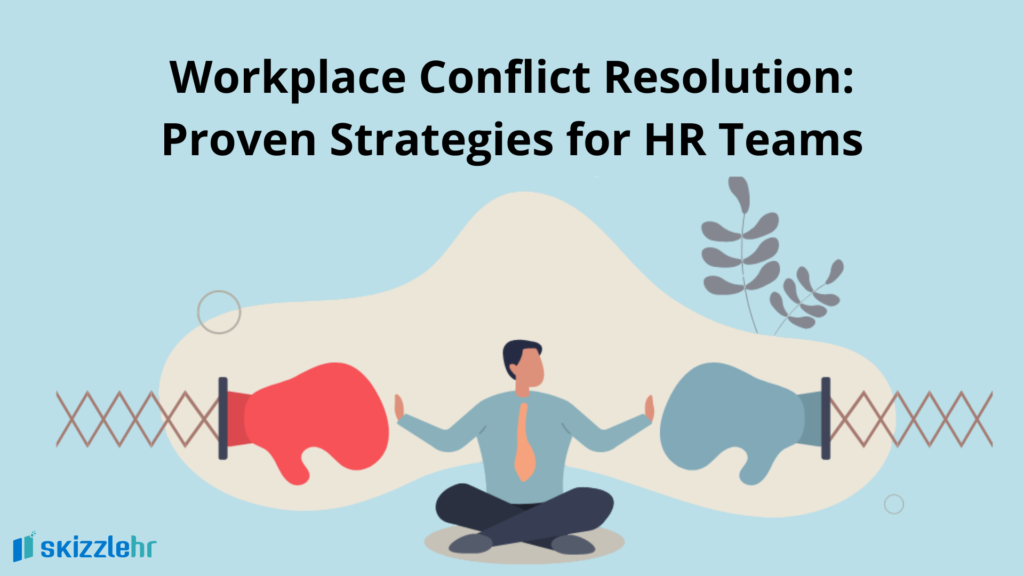
Conflict is an inevitable part of any workplace. When individuals with different perspectives, goals, and working styles come together, disagreements are bound to arise. However, the way organizations handle these conflicts can significantly impact employee morale, productivity, and overall workplace culture.
This is where HR conflict management plays a critical role. Instead of viewing conflict as a disruption, forward-thinking HR teams treat it as an opportunity—to improve communication, strengthen relationships, and build a more resilient organization.
In this blog, we’ll explore proven strategies for effective employee conflict management and how HR teams can create a workplace environment where disagreements lead to growth rather than disruption.
HR Conflict Management: Understanding Workplace Conflict
Workplace conflict can arise from various sources, such as miscommunication, unclear roles, personality differences, workload distribution, or even organizational change. While some conflicts are minor and resolve quickly, others can escalate if not addressed promptly.
Common types of workplace conflict include:
- Task-based conflicts – Disagreements about how work should be done
- Relationship conflicts – Personality clashes or emotional tensions
- Process conflicts – Differences in workflow or decision-making approaches
- Value conflicts – Misalignment in beliefs or priorities
Effective HR conflict management requires recognizing these types early and addressing them before they affect team dynamics.
Why Conflict Resolution Matters for HR Teams ?
Ignoring conflict doesn’t make it disappear, it amplifies it. Unresolved issues can lead to reduced productivity, increased absenteeism, and higher employee turnover.
Strong employee conflict management helps organizations:
- Foster a positive work environment
- Improve collaboration and teamwork
- Reduce workplace stress
- Enhance employee engagement
- Strengthen trust in leadership
For HR teams, conflict resolution is not just about solving problems, it’s about shaping a culture of open communication and mutual respect.
Proven Strategies for Effective HR Conflict Management
1. Encourage Open and Transparent Communication
Many workplace conflicts stem from misunderstandings or lack of clarity. HR teams should promote a culture where employees feel comfortable expressing their concerns without fear of judgment.
Encouraging regular check-ins, feedback sessions, and open dialogue helps prevent issues from escalating. When employees feel heard, they are more likely to collaborate on solutions.
2. Address Conflicts Early
Timing is crucial in employee conflict management. Small issues can quickly turn into major disputes if left unresolved.
HR professionals should proactively identify early signs of conflict—such as communication breakdowns or reduced collaboration—and intervene before the situation worsens.
Early intervention not only resolves the issue faster but also prevents long-term damage to relationships.
3. Stay Neutral and Objective
HR teams must act as impartial mediators during conflicts. Taking sides can damage credibility and trust.
Instead, focus on understanding all perspectives involved. Gather facts, listen actively, and ensure that each party feels respected and fairly represented.
Neutrality builds confidence in HR processes and encourages employees to seek help when needed.
4. Practice Active Listening
One of the most powerful tools in HR conflict management is active listening. This means not just hearing what employees say, but truly understanding their concerns.
Allow each party to share their perspective without interruption. Acknowledge their feelings and clarify key points to ensure mutual understanding.
Often, conflicts de-escalate simply because individuals feel heard and validated.
5. Focus on Solutions, Not Blame
Blame-based discussions rarely lead to productive outcomes. Instead, HR teams should guide conversations toward solutions.
Encourage employees to identify common goals and work collaboratively to resolve the issue. Shifting the focus from “who is wrong” to “what can we do moving forward” creates a more constructive environment.
6. Establish Clear Policies and Guidelines
A well-defined conflict resolution policy provides a structured approach for handling disputes. Employees should know the steps to take when conflicts arise and what support is available.
Clear guidelines ensure consistency in handling conflicts and reduce ambiguity in decision-making.
This is especially important for growing organizations where informal processes may no longer be effective.
7. Provide Conflict Resolution Training
Not all employees naturally possess conflict resolution skills. HR teams can bridge this gap by offering training programs focused on communication, emotional intelligence, and problem-solving.
Equipping managers and team leaders with these skills enables them to handle conflicts within their teams more effectively, reducing the burden on HR.
8. Leverage Data and Insights
Modern HR teams are increasingly using data to identify patterns in workplace conflicts. For example, recurring issues within a specific team or department may indicate deeper organizational challenges.
By analyzing trends, HR can implement preventive measures and improve overall employee conflict management strategies.
9. Encourage a Culture of Respect and Inclusion
A workplace culture rooted in respect and inclusion naturally reduces the likelihood of conflicts.
HR teams should promote diversity, encourage collaboration, and ensure that all employees feel valued. When individuals respect each other’s perspectives, conflicts are more likely to be resolved constructively.
10. Follow Up and Monitor Progress
Conflict resolution doesn’t end with a single conversation. HR teams should follow up to ensure that the agreed-upon solutions are being implemented and that the relationship between parties is improving.
Regular follow-ups demonstrate commitment and help prevent the issue from resurfacing.
Common Mistakes to Avoid in Employee Conflict Management
Even experienced HR teams can make mistakes when handling conflicts. Some common pitfalls include:
- Ignoring or delaying conflict resolution
- Taking sides or showing bias
- Failing to document incidents
- Overlooking underlying issues
- Rushing to conclusions without proper investigation
Avoiding these mistakes is crucial for maintaining trust and ensuring effective outcomes.
The Role of Technology in HR Conflict Management
As workplaces evolve, technology is playing a bigger role in supporting HR functions—including conflict resolution. Modern HR software can help by:
- Maintaining records of incidents and resolutions
- Enabling anonymous feedback and reporting
- Providing insights into employee engagement and satisfaction
- Streamlining communication between teams
These tools empower HR teams to handle conflicts more efficiently and proactively.
Building a Conflict-Resilient Workplace
Effective HR conflict management is not just about resolving disputes, it’s about creating an environment where conflicts are handled constructively.
Organizations that embrace healthy conflict often see:
- Stronger team collaboration
- Improved innovation and creativity
- Higher employee satisfaction
- Better overall performance
By implementing structured employee conflict management strategies, HR teams can turn challenges into opportunities for growth.
How SkizzleHR Supports Smarter Conflict Management ?
Managing workplace conflicts becomes significantly easier when HR teams have the right tools in place. This is where SkizzleHR can make a difference.
SkizzleHR’s modern HR platform helps streamline communication, track employee data, and provide valuable insights into workforce dynamics. With features like centralized employee records, feedback tracking, and performance insights, HR teams can identify potential conflicts early and address them proactively.
For growing businesses, especially SMBs in India—SkizzleHR offers a simple yet powerful way to enhance HR conflict management processes without adding complexity.
Final Thoughts
Workplace conflict is unavoidable, but unmanaged conflict can be costly. With the right strategies, HR teams can transform conflicts into opportunities for collaboration and growth.
By focusing on open communication, early intervention, and structured processes, organizations can build a positive and resilient work culture.
Investing in effective employee conflict management, supported by smart HR tools like SkizzleHR. This ensures that your workplace is not just productive, but also harmonious and future ready.
Schedule a FREE demo!
You might also like

Start Growing with SkizzleHR
Our team is ready to guide you through an interactive demonstration, tailored to your business needs.
Request a demo