Is Your Performance Management Stuck in the Past? Here’s How to Modernize It
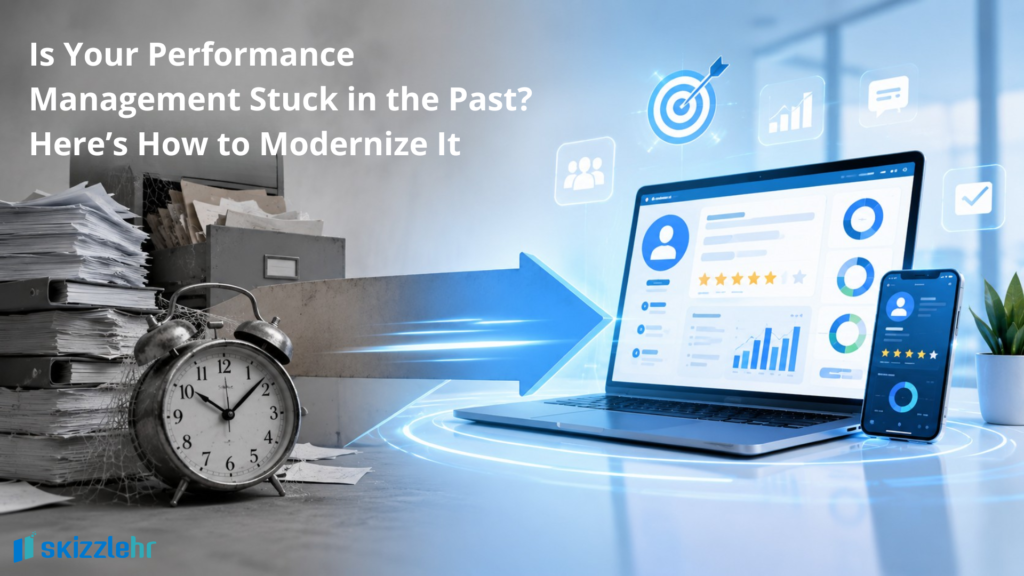
Performance management has long been a cornerstone of organizational success. Yet, for many businesses, it remains stuck in outdated practices; annual reviews, subjective evaluations, and disconnected feedback loops. In a world where agility, transparency, and continuous improvement define success, relying on traditional methods can hold your organization back.
If your current approach feels more like a compliance exercise than a growth enabler, it’s time to rethink your performance management strategy. Modern organizations are shifting towards dynamic, data-driven, and employee-centric approaches that foster real-time development and alignment.
Let’s explore how you can transform your outdated system into a modern, high-impact framework using effective performance management strategies.
The Problem with Traditional Performance Management
For decades, performance management revolved around yearly appraisals. While this approach worked in slower-paced environments, it no longer meets the demands of today’s workplace.
Here’s why traditional systems fall short:
1. Infrequent Feedback
Annual or bi-annual reviews don’t provide employees with timely insights. By the time feedback is delivered, it’s often too late to act on it effectively.
2. Lack of Objectivity
Manual evaluations are prone to bias. Personal opinions, recency effects, and inconsistent rating systems can skew results.
3. Limited Employee Engagement
When employees feel disconnected from the evaluation process, engagement drops. Static reviews fail to inspire growth or motivation.
4. Administrative Burden
HR teams spend excessive time managing spreadsheets, consolidating data, and coordinating review cycles, leaving little room for strategic initiatives.
What Modern Performance Management Strategies Looks Like?
Modern performance management is continuous, collaborative, and data-driven. It focuses not just on evaluating employees but on enabling their growth and aligning their efforts with organizational goals. Here’s what defines a modern approach:
- Continuous Feedback Culture
Instead of waiting for annual reviews, organizations are adopting real-time feedback mechanisms. Managers and employees engage in ongoing conversations, ensuring issues are addressed promptly and achievements are recognized instantly.
- Goal Alignment and Transparency
Modern systems use structured frameworks like OKRs (Objectives and Key Results) to align individual goals with company objectives. This ensures everyone is working towards the same vision.
- Data-Driven Decision Making
Advanced analytics provide insights into employee performance trends, strengths, and areas for improvement. This reduces bias and enhances accuracy.
- Employee-Centric Approach
Employees are given more control through self-assessments, peer feedback, and personalized development plans, making the process more inclusive and empowering.
Key Performance Management Strategies to Modernize Your Approach
Transitioning to a modern system requires a strategic shift. Here are some impactful performance management strategies to help you get started:
1. Move from Annual Reviews to Continuous Check-Ins
Frequent one-on-one meetings between managers and employees create a culture of open communication. These check-ins help track progress, address challenges, and keep goals aligned.
2. Set SMART and Dynamic Goals
Goals should be Specific, Measurable, Achievable, Relevant, and Time-bound. More importantly, they should be flexible enough to evolve with changing business needs.
3. Leverage 360-Degree Feedback
Incorporating feedback from peers, subordinates, and cross-functional teams provides a holistic view of an employee’s performance.
4. Use Data and Analytics
Adopt tools that provide real-time insights into performance metrics. Data-driven evaluations minimize bias and improve decision-making.
5. Focus on Development, Not Just Evaluation
Performance management should be about growth. Provide training, mentorship, and upskilling opportunities based on performance insights.
6. Encourage Employee Ownership
Empower employees to take charge of their performance through self-assessments and goal tracking. This fosters accountability and motivation.
7. Automate Administrative Tasks
Automation reduces manual effort, ensuring HR teams can focus on strategic initiatives rather than operational complexities.
The Role of Technology in Modern Performance Management Strategies
Technology plays a crucial role in transforming performance management. Modern platforms integrate multiple functionalities—goal setting, feedback, analytics, and reporting; into a single system. Here’s how technology drives modernization:
- Real-Time Tracking: Monitor progress and performance continuously
- Centralized Data: Access all performance-related information in one place
- Enhanced Collaboration: Enable seamless communication between teams
- Scalability: Adapt to organizational growth without added complexity
With the integration of AI, performance management is evolving even further; bringing intelligence, automation, and personalization into the process.
Overcoming Challenges in Transitioning
While modernization offers numerous benefits, organizations may face challenges during the transition:
- Resistance to Change: Employees and managers accustomed to traditional methods may hesitate to adopt new systems. Clear communication and training are essential.
- Implementation Complexity: Switching to a new system requires careful planning and execution. Choosing the right platform can simplify this process.
- Data Overload: With access to vast amounts of data, organizations must focus on actionable insights rather than getting overwhelmed.
By addressing these challenges proactively, businesses can ensure a smooth transition to modern performance management.
The Future of Performance Management
The future lies in intelligent, adaptive systems that go beyond evaluation to enable continuous growth. AI-driven insights, predictive analytics, and personalized experiences will redefine how organizations manage performance.
Companies that embrace these advancements will not only improve employee productivity but also build a culture of innovation and accountability.
Transform Your Performance Management with SkizzleHR
Modernizing your performance management doesn’t have to be complex; especially with the right technology partner.
SkizzleHR brings a next-generation approach to performance management, combining automation, analytics, and AI to deliver a seamless and impactful experience.
AI-Driven Performance Management
- Smart Goal Generation: Create impactful goals in seconds using AI prompts tailored to your business context. No more struggling with vague or misaligned objectives—SkizzleHR ensures every goal drives measurable outcomes.
- Automated Rating Aggregation: Let AI handle score calculations and trend analysis for unbiased performance insights. This eliminates manual errors and ensures fair, data-backed evaluations.
- Personalized Nudges: AI-powered reminders keep your teams on track with timely reviews and feedback cycles. No missed deadlines, no last-minute rush—just consistent and effective performance management.
By integrating these intelligent capabilities, SkizzleHR empowers organizations to move beyond outdated practices and embrace a smarter, more efficient approach to performance management.
If your current system feels outdated, now is the time to evolve. Adopt modern performance management strategies with SkizzleHR and unlock the full potential of your workforce.
Schedule a FREE demo!
You might also like

Start Growing with SkizzleHR
Our team is ready to guide you through an interactive demonstration, tailored to your business needs.
Request a demo