How Modern LMS Software Improves Employee Engagement and Skill Development?
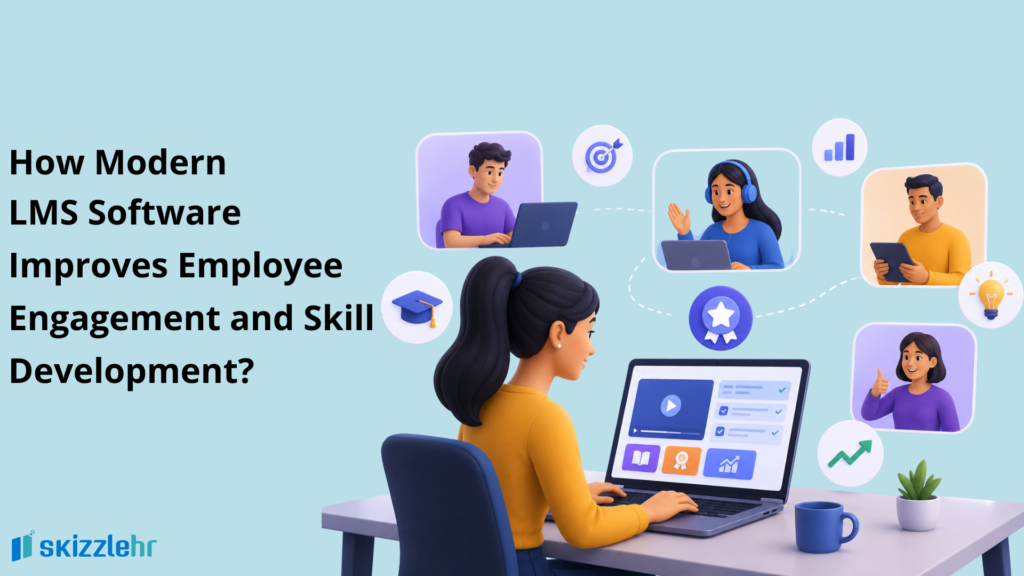
In today’s fast-changing business environment, organizations are constantly looking for ways to build skilled, productive, and engaged teams. Traditional training methods are no longer enough to meet the evolving expectations of modern employees. Companies now need smarter, more flexible, and technology-driven solutions to deliver continuous learning experiences. This is where learning management software plays a critical role.
Modern workplaces are increasingly investing in digital learning platforms to improve employee performance, enhance knowledge sharing, and create a culture of continuous development. With the rise of hybrid and remote work environments, businesses also require scalable and accessible training systems that support employees anytime and anywhere.
A robust employee training software solution helps organizations streamline training programs, track employee progress, and deliver personalized learning experiences while improving overall engagement across teams.
What is Learning Management Software?
Learning management software is a digital platform designed to create, manage, deliver, and monitor employee training programs. It centralizes learning activities into a single system, making it easier for organizations to manage onboarding, compliance training, skill development, certifications, and performance improvement initiatives.
Unlike traditional classroom-based training, LMS platforms offer flexibility, automation, and data-driven insights that help businesses deliver training more effectively.
Modern LMS solutions often include features such as:
- Online course management
- Employee onboarding modules
- Skill tracking and assessments
- Certification management
- Gamified learning experiences
- Mobile accessibility
- Real-time reporting and analytics
- Personalized learning paths
By using advanced employee training software, businesses can ensure employees continuously learn and grow while staying aligned with organizational goals.
Why Employee Training Software Matters in Learning ?
Employee engagement is directly connected to productivity, retention, and workplace satisfaction. When employees feel invested in their growth and development, they become more motivated to contribute to the organization.
However, outdated training methods often fail to capture employee interest. Long presentations, repetitive sessions, and generic training materials can reduce participation and learning effectiveness.
Modern employee training software addresses these challenges by creating interactive and engaging learning environments that encourage employees to actively participate in training programs.
Organizations that prioritize employee learning often experience:
- Higher employee satisfaction
- Improved retention rates
- Increased productivity
- Better workplace collaboration
- Stronger leadership pipelines
- Faster skill development
Training is no longer just an HR activity, it has become a strategic investment in workforce growth and business success.
How Modern LMS Software Enhances Employee Engagement?
1. Personalized Learning Experiences
Every employee has different learning needs and career goals. Modern LMS platforms use personalized learning paths to recommend relevant courses, training modules, and certifications based on employee roles, skills, and performance.
This tailored approach increases engagement because employees receive training that directly supports their growth and responsibilities.
2. Gamification and Interactive Learning
One of the biggest innovations in modern Employee Training Software is gamification. Features like badges, leaderboards, quizzes, rewards, and progress tracking make learning more engaging and enjoyable.
Interactive learning methods encourage healthy competition and motivate employees to complete courses actively rather than passively consuming information.
3. Mobile Learning Accessibility
Today’s workforce expects flexibility and convenience. Mobile-friendly LMS platforms allow employees to access training content from smartphones, tablets, or laptops at any time.
This accessibility is especially valuable for remote teams, field employees, and organizations with multiple branches or locations.
Employees can learn at their own pace without disrupting their work schedules, leading to higher participation rates.
4. Continuous Feedback and Progress Tracking
Modern LMS systems provide employees with real-time feedback, assessment scores, and progress updates. Employees can easily track completed courses, certifications, and learning milestones.
Managers and HR teams can also monitor employee progress and identify areas where additional training may be required.
This transparency creates accountability while encouraging employees to stay engaged in their development journey.
5. Collaborative Learning Opportunities
Many LMS platforms now include discussion forums, peer learning activities, and collaborative projects. These features promote knowledge sharing and teamwork within organizations.
Employees can exchange ideas, discuss concepts, and learn from one another, creating a more connected learning culture.
The Role of LMS in Skill Development
Upskilling and reskilling have become essential for businesses navigating technological advancements and changing industry demands. Organizations need employees who can adapt quickly and continuously build new capabilities.
A powerful learning management software platform helps organizations close skill gaps through structured training programs and ongoing learning initiatives.
1. Faster Employee Onboarding
Effective onboarding plays a major role in employee productivity and retention. LMS platforms simplify onboarding by providing structured training modules, company policies, compliance documents, and role-specific learning materials in one place.
New employees can complete training independently, reducing manual coordination and improving onboarding efficiency.
2. Consistent Training Across Teams
For organizations operating across multiple locations, maintaining consistent training standards can be challenging. LMS software ensures every employee receives the same high-quality training content regardless of location or department.
This consistency improves operational alignment and compliance management.
3. Skill Gap Identification
Modern Employee Training Software includes analytics and reporting tools that help HR teams identify skill gaps within the organization.
Businesses can use these insights to design targeted learning programs that strengthen workforce capabilities and prepare employees for future roles.
4. Compliance and Certification Management
Many industries require employees to complete mandatory compliance training and certifications. LMS platforms automate certification tracking, reminders, and renewal processes, helping organizations stay compliant while reducing administrative workload.
5. Leadership Development
LMS platforms are also valuable for leadership training and succession planning. Organizations can create specialized learning paths for managers and future leaders to strengthen decision-making, communication, and strategic thinking skills.
Benefits of Learning Management Software for Businesses
Implementing a modern LMS solution provides significant advantages for organizations of all sizes.
1. Improved Productivity
Employees who receive proper training perform tasks more efficiently and confidently. Continuous learning helps teams adapt to new technologies, workflows, and business requirements.
2. Reduced Training Costs
Digital learning reduces expenses associated with physical training sessions, travel, printed materials, and external trainers. Organizations can scale training programs more cost-effectively.
3. Better Employee Retention
Employees are more likely to stay with organizations that invest in their professional development. Learning opportunities contribute to career growth and workplace satisfaction.
4. Data-Driven Decision Making
Advanced LMS platforms provide detailed analytics on employee participation, performance, and training effectiveness. HR leaders can use this data to optimize learning strategies and improve workforce planning.
5. Scalable Learning Infrastructure
As organizations grow, LMS platforms can easily scale to accommodate larger teams, additional courses, and evolving business requirements.
Why Modern Businesses Need Employee Training Software?
The workplace is evolving rapidly due to automation, AI, digital transformation, and changing employee expectations. Businesses can no longer rely on occasional training sessions to maintain workforce readiness.
Modern employee training software enables organizations to create a continuous learning culture that supports innovation, adaptability, and long-term growth.
Employees today expect learning opportunities that are flexible, engaging, and aligned with their career goals. Companies that prioritize learning and development gain a competitive advantage by building skilled and future-ready teams.
Empower Workforce Growth with SkizzleHR Learning Management Software
Organizations looking to improve employee engagement and accelerate skill development need a learning platform that is intelligent, flexible, and easy to manage. SkizzleHR’s Learning Management Software is designed to help businesses simplify training operations while creating impactful learning experiences for employees.
SkizzleHR offers a modern employee training software solution that enables organizations to manage onboarding, employee learning, assessments, certifications, and training progress through a centralized platform. With mobile accessibility, automated workflows, interactive learning tools, and real-time analytics, businesses can build a strong culture of continuous development.
Whether you want to improve employee engagement, close skill gaps, streamline onboarding, or enhance workforce productivity, SkizzleHR helps organizations deliver smarter and more effective learning experiences for the modern workplace.
Schedule a FREE demo!
You might also like

Start Growing with SkizzleHR
Our team is ready to guide you through an interactive demonstration, tailored to your business needs.
Request a demo