Why Time Attendance System Software is Essential for Multi-Location Enterprises?
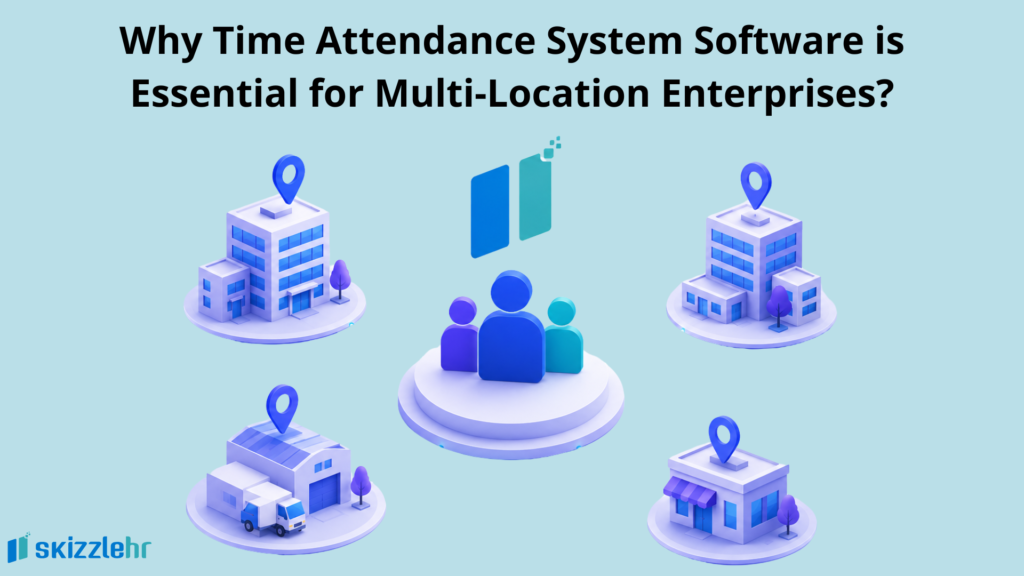
Managing employees across multiple office branches, factories, retail outlets, warehouses, or remote work locations can become a major operational challenge for businesses. As organizations expand geographically, maintaining accurate employee attendance records, ensuring workforce accountability, and streamlining payroll calculations become increasingly complex.
This is where time attendance system software plays a crucial role. Modern businesses are rapidly moving away from traditional attendance methods and adopting intelligent digital solutions that simplify attendance tracking, improve operational transparency, and enhance workforce productivity.
In today’s competitive environment, enterprises operating from multiple locations require a centralized and efficient attendance system to ensure smooth workforce management and business continuity.
Understanding Time Attendance System Software
A time attendance system software is a digital platform designed to monitor, record, and manage employee attendance in real time. It helps businesses track employee check-ins, check-outs, shift timings, overtime, leaves, and work hours from a centralized dashboard.
Unlike manual attendance registers or outdated spreadsheets, modern attendance software offers automated tracking through biometric devices, GPS tracking, mobile apps, facial recognition, geofencing, and cloud-based monitoring systems.
For multi-location enterprises, this software acts as a unified workforce management solution that connects all branches and employees under one platform.
Challenges Faced by Multi-Location Enterprises
Businesses operating across various locations often encounter several attendance and workforce management challenges, such as:
1. Inconsistent Attendance Tracking
Different branches may follow different attendance recording methods, leading to inconsistency in data collection and reporting.
2.Payroll Errors
Manual attendance tracking often causes payroll discrepancies due to incorrect work-hour calculations, overtime errors, or missing attendance entries.
3.Lack of Real-Time Visibility
HR teams and management may struggle to monitor workforce activities across locations without centralized access to attendance data.
4.Buddy Punching and Time Theft
Traditional attendance systems are vulnerable to proxy attendance and time manipulation, causing productivity losses.
5.Compliance Difficulties
Maintaining labor law compliance across multiple states or regions becomes difficult without accurate attendance records.
6.Remote Workforce Management
Managing field employees, sales teams, or remote workers is challenging without location-based attendance tracking.
A modern attendance system effectively resolves these issues while improving operational efficiency.
Benefits of Time Attendance System Software for Multi-Location Enterprises
1.Centralized Attendance Management
One of the biggest advantages of using time attendance system software is centralized workforce management. HR teams can monitor attendance records from all office locations through a single dashboard.
This eliminates the need for separate tracking systems at each branch and helps businesses maintain standardized attendance policies company-wide.
Centralized access also allows managers to generate reports instantly, review employee work hours, and identify attendance trends more efficiently.
2.Real-Time Attendance Monitoring
Real-time attendance visibility is extremely important for enterprises with distributed teams. Advanced attendance software allows HR professionals and managers to track employee attendance instantly across all branches.
Managers can view:
- Employee check-in and check-out times
- Late arrivals
- Early departures
- Shift attendance
- Overtime hours
- Absenteeism patterns
This level of transparency improves workforce accountability and operational planning.
3.Improved Payroll Accuracy
Payroll processing becomes significantly easier when attendance data is automated and integrated with payroll systems.A reliable attendance system automatically calculates:
- Working hours
- Overtime
- Shift allowances
- Paid leaves
- Half days
- Late penalties
This reduces manual payroll errors and ensures employees receive accurate salaries on time.
For large enterprises with thousands of employees across multiple locations, payroll automation saves valuable HR time and reduces administrative workload.
4.Enhanced Workforce Productivity
Employee productivity often improves when attendance tracking becomes transparent and systematic.With automated attendance software:
- Employees become more punctual
- Unauthorized absenteeism decreases
- Shift adherence improves
- Workforce discipline increases
Managers can also identify departments or locations with recurring attendance issues and take corrective action proactively.
5.GPS-Based Attendance for Remote Teams
Modern businesses increasingly employ field staff, remote workers, technicians, sales representatives, and hybrid employees. Tracking attendance for such teams can be difficult using traditional methods.
Advanced time attendance system software offers GPS-based attendance tracking through mobile applications.Employees can mark attendance from their assigned work locations, while managers can verify:
- Employee location
- Visit timings
- Route history
- Field movement
This improves transparency while preventing fake attendance entries.
GPS-enabled attendance systems are especially useful for industries like:
- Retail
- Healthcare
- Construction
- Logistics
- Manufacturing
- Sales and distribution
- Elimination of Buddy Punching
Buddy punching is a common problem in traditional attendance systems where one employee marks attendance for another.
Modern attendance software uses technologies like:
- Biometric verification
- Facial recognition
- Selfie attendance
- Geofencing
- Device authentication
These features prevent attendance fraud and improve workforce integrity.
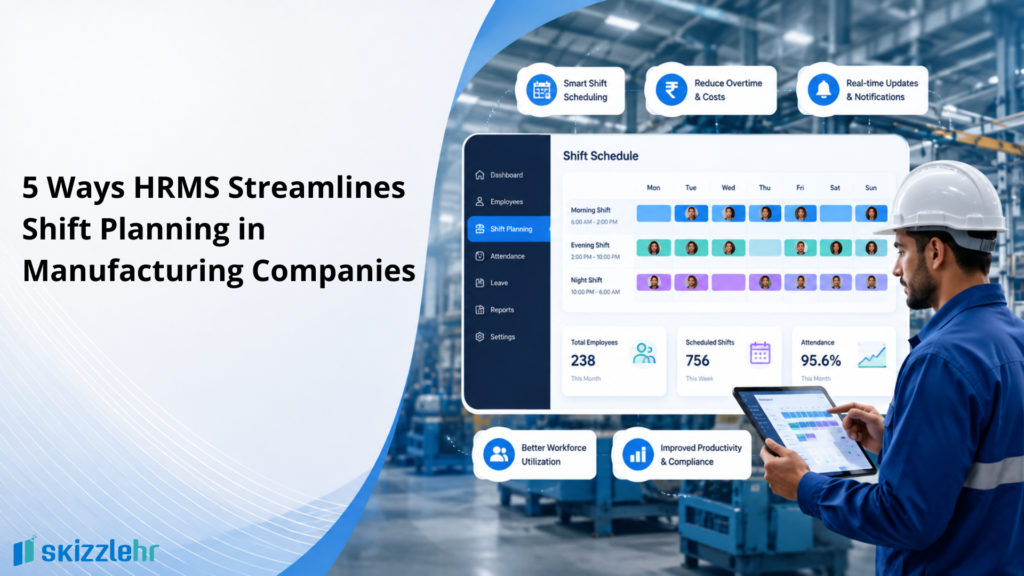
6.Better Shift and Schedule Management
Multi-location enterprises often operate with different shifts, rotating schedules, night shifts, and flexible work timings.An intelligent attendance system helps businesses:
- Create multiple shift schedules
- Assign shifts location-wise
- Manage rotational shifts
- Track overtime automatically
- Monitor break timings
Automated shift management ensures smoother workforce coordination and reduces scheduling conflicts.
7.Cloud-Based Accessibility
Cloud-based attendance systems provide anytime, anywhere access to attendance data.
HR managers and business leaders can monitor workforce activities remotely without depending on physical attendance registers or local servers.
Cloud technology offers several advantages:
- Real-time synchronization
- Secure data storage
- Easy scalability
- Faster updates
- Reduced infrastructure costs
This makes cloud attendance software ideal for growing enterprises with multiple branches.
8.Simplified Compliance Management
Labor law compliance is critical for enterprises operating across different regions. Maintaining proper attendance records helps businesses comply with labor regulations related to:
- Working hours
- Overtime policies
- Weekly offs
- Leave management
- Shift compliance
Automated attendance reports make audits easier and help businesses avoid compliance-related penalties.
9.Data-Driven Decision Making
Modern time attendance system software provides detailed analytics and reports that help organizations make informed workforce decisions.
Businesses can analyze:
- Employee punctuality trends
- Overtime patterns
- Attendance percentages
- Workforce utilization
- Shift performance
- Branch-wise productivity
These insights help management optimize staffing, improve operational efficiency, and reduce unnecessary labor costs.
10.Reduced Administrative Workload
Manual attendance tracking consumes a significant amount of HR time and effort. HR teams often spend hours managing spreadsheets, correcting attendance errors, and preparing payroll data.
Automation reduces repetitive tasks and allows HR professionals to focus on strategic initiatives such as employee engagement, talent management, and organizational growth.
11.Scalability for Growing Businesses
As businesses expand into new regions, managing workforce operations manually becomes increasingly difficult.
A scalable attendance system can easily accommodate:
- New office locations
- Additional employees
- Multiple departments
- New shifts
- Remote workforce expansion
This flexibility supports long-term business growth without requiring major operational changes.
12.Mobile Attendance Solutions for Modern Workplaces
Mobile-first attendance systems have become increasingly popular among modern enterprises.Employees can:
- Mark attendance through mobile apps
- Apply for leave
- View attendance history
- Check shift schedules
- Access payroll information
This enhances employee convenience while improving communication between HR teams and staff.
Importance of Integration with HR and Payroll Systems
Integrated workforce management solutions improve operational efficiency by connecting attendance data directly with HR and payroll systems.
An integrated solution ensures:
- Faster payroll processing
- Accurate leave calculations
- Better employee record management
- Reduced duplicate data entry
- Improved reporting accuracy
This creates a seamless HR ecosystem for multi-location enterprises.
Future of Attendance Management
Attendance management is rapidly evolving with technologies such as:
- Artificial Intelligence (AI)
- Facial recognition
- Touchless attendance
- Geofencing
- Cloud computing
- Mobile workforce management
Businesses adopting modern attendance solutions gain a competitive advantage by improving workforce transparency, operational efficiency, and employee experience.
As remote work and hybrid work models continue to grow, advanced attendance software will become even more essential for organizations worldwide.
Why Enterprises Need the Right Attendance Partner
Choosing the right time attendance system software is critical for ensuring business efficiency and workforce transparency.
An ideal solution should offer:
- Cloud-based access
- GPS attendance
- Mobile accessibility
- Payroll integration
- Shift management
- Real-time analytics
- Multi-location support
- Secure employee data management
The right software partner can significantly improve operational control while reducing HR complexities.
Streamline Multi-Location Workforce Management with SkizzleHR
Managing attendance across multiple branches becomes effortless with SkizzleHR, a smart and scalable HRMS solution designed for modern businesses.
SkizzleHR offers advanced attendance management features including:
- GPS-based attendance tracking
- Mobile attendance system
- Real-time workforce monitoring
- Geofencing capabilities
- Shift and roster management
- Payroll integration
- Cloud-based attendance management
- Employee self-service portal
- Detailed attendance analytics
- Multi-location employee tracking
Whether your workforce operates from offices, retail stores, factories, or remote locations, SkizzleHR helps businesses maintain complete attendance transparency and operational efficiency.
With intelligent automation and user-friendly tools, SkizzleHR empowers enterprises to simplify attendance management, improve payroll accuracy, and enhance workforce productivity across all locations.
Schedule a FREE demo!
You might also like

Start Growing with SkizzleHR
Our team is ready to guide you through an interactive demonstration, tailored to your business needs.
Request a demo