Payroll Security in the Age of Cyber Threats: Best Practices for 2026
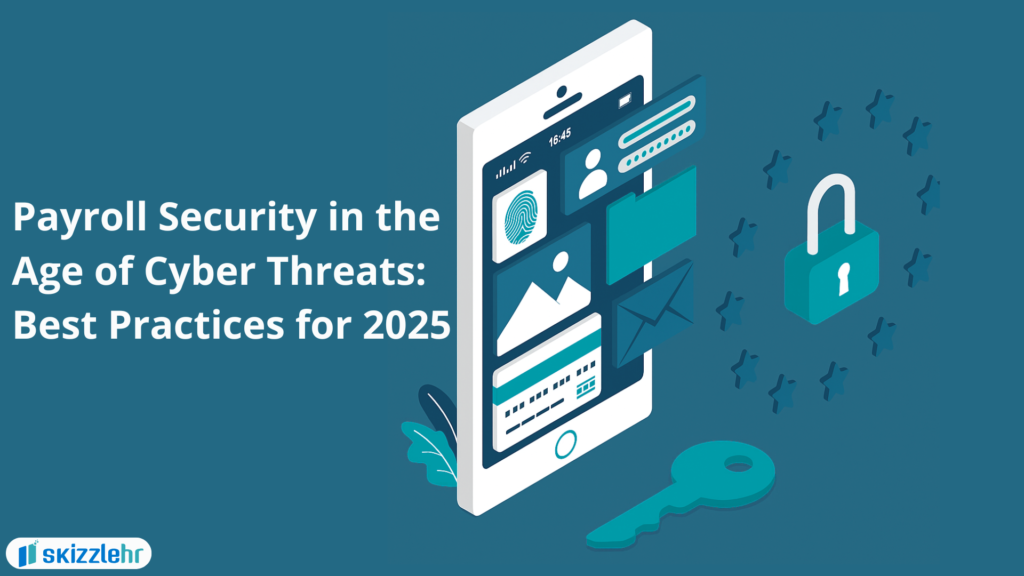
In today’s digital-first business world, payroll has evolved from manual spreadsheets to sophisticated automated systems. While this transformation has improved efficiency and accuracy, it has also introduced new payroll challenges — particularly in the realm of cybersecurity. As cybercriminals target sensitive financial and employee data, safeguarding payroll systems has become more critical than ever.
For HR managers of small and medium-sized companies, ensuring payroll integrity isn’t just about paying employees correctly—it’s about protecting trust, compliance, and organizational reputation. Let’s explore how modern organizations can overcome these payroll challenges and strengthen their payroll management strategies for 2026 and beyond.
Payroll systems manage some of the most sensitive information within an organization, including employee salaries, bank account details, tax records, identification documents, and personal information. As businesses continue to digitize HR operations, protecting payroll data from cyber threats has become a top priority. Cyberattacks such as phishing, ransomware, unauthorized access, and data breaches can expose confidential employee information, disrupt payroll processing, and result in significant financial and reputational losses.
To address these challenges, organizations are increasingly investing in secure Payroll Software that combines automation with advanced security features. Modern payroll solutions not only simplify salary processing but also help businesses protect sensitive payroll data through encrypted storage, secure user authentication, role-based access controls, and regular data backups. A secure payroll environment allows HR and finance teams to process salaries confidently while maintaining employee trust and regulatory compliance.
Payroll Challenges: The Growing Cyber Threat Landscape in Payroll
Payroll systems are a goldmine for cyber attackers. They contain personal details like bank account numbers, PAN details, salary structures, and tax information—all of which can be exploited for identity theft or financial fraud.

The digital transformation of payroll has brought convenience, but it has also made systems more vulnerable. Common cyber threats include:
- Phishing and Social Engineering Attacks: Employees may unknowingly share login details through fake payroll update emails.
- Ransomware Attacks: Cybercriminals encrypt payroll databases, demanding ransom to restore access.
- Data Breaches: Unauthorized access through weak passwords or outdated systems leads to exposure of confidential payroll data.
- Internal Threats: Sometimes, data misuse or access misuse comes from within the organization.
Each of these threats highlights the urgent need for robust, secure, and smart payroll management systems that integrate advanced security measures without complicating HR processes.
Why Payroll Management Security Should Be Your Top Priority in 2025?
The shift to remote and hybrid work models has expanded the digital footprint of organizations. With employees accessing payroll platforms from various devices and networks, maintaining data security has become more complex.
Some of the reasons payroll security must remain a top HR priority include:
- Compliance Requirements: Data privacy laws like GDPR and India’s DPDP Act mandate secure data handling.
- Reputation Management: A payroll data breach can damage employee trust and employer credibility.
- Financial Risk: Data theft or fraud can lead to monetary losses and penalties.
- Operational Continuity: Cyber incidents can halt payroll processing, disrupting employee payments.
In short, effective payroll management today demands both technological sophistication and proactive security governance.
Best Practices for Payroll Management Security in 2026
1. Adopt Cloud-Based Payroll Systems with End-to-End Encryption
Modern payroll management systems hosted on secure cloud platforms offer encryption at rest and in transit, ensuring that sensitive data remains protected at every stage. Cloud providers also conduct regular security audits to mitigate vulnerabilities—something that’s often difficult to maintain with in-house systems.
2. Implement Multi-Factor Authentication (MFA)
MFA adds an extra layer of defense by requiring users to verify their identity through a second factor—like a one-time code sent to their mobile device. This significantly reduces the risk of unauthorized access, even if login credentials are compromised.
3. Restrict Access Based on Roles
Not every HR staff member needs full access to payroll data. Role-based access control ensures employees can only view or modify information relevant to their role, minimizing internal risks and maintaining accountability.
4. Schedule Regular System Audits
Conducting frequent payroll audits helps identify anomalies early. Whether it’s duplicate payments, unauthorized changes, or suspicious logins, periodic reviews ensure your payroll data stays clean and secure.
5. Keep Software and Systems Updated
Cybercriminals often exploit outdated systems. Regularly updating your payroll software ensures you benefit from the latest security patches and improvements, reducing vulnerability windows.
6. Educate Employees on Cybersecurity Awareness
Even the most secure software can’t protect against human error. Conduct regular training sessions to teach employees how to recognize phishing attempts, use strong passwords, and handle sensitive data responsibly.
7. Backup Payroll Data Frequently
Maintaining encrypted backups in secure locations ensures that, in case of a breach or ransomware attack, your organization can quickly restore payroll operations without data loss.
8. Use AI and Automation for Fraud Detection
AI-driven payroll management tools can identify unusual patterns—like sudden salary spikes or multiple payments to the same account—and alert administrators instantly, preventing potential fraud or errors.
Building Employee Trust Through Secure Payroll Practices
Payroll isn’t just about processing salaries—it’s about demonstrating reliability and integrity. When employees know that their financial and personal data are secure, it fosters confidence in the organization. Transparent communication about payroll policies, access rights, and data security practices reassures your workforce that their information is in safe hands.
For small and medium businesses, investing in secure and automated payroll systems is no longer optional—it’s a strategic decision that safeguards both employee trust and business continuity.
Best Practices for Securing Payroll Data
Payroll security requires a combination of technology, internal controls, and employee awareness. Businesses should establish strong security policies that protect payroll information throughout the entire payroll lifecycle. From user authentication to system monitoring, every stage of payroll processing should be designed to minimize cybersecurity risks while ensuring uninterrupted payroll operations.
Organizations can strengthen payroll security by implementing the following best practices:
- Use multi-factor authentication (MFA) for payroll access.
- Restrict payroll access using role-based permissions.
- Regularly update payroll software with security patches.
- Encrypt sensitive employee and payroll data.
- Perform routine payroll audits and security assessments.
- Train employees to identify phishing and cyber fraud attempts.
- Maintain secure cloud backups of payroll records.
- Monitor payroll activities through audit logs and access reports.
A proactive security strategy significantly reduces the risk of cyber incidents while protecting both organizational and employee data.
How SkizzleHR Simplifies Payroll Management and Security?
In an era where cyber threats are constantly evolving, SkizzleHR helps organizations stay ahead with a future-ready approach to payroll management.
SkizzleHR combines robust payroll automation with enterprise-grade security, ensuring seamless and safe payroll processing every month. Here’s how it stands out:
- End-to-end encrypted cloud-based payroll system
- Role-based access and customizable approval workflows
- Automated payroll audits and reports
- Multi-channel payslip distribution with data protection
- Integrated time tracking and salary computation for accuracy
With SkizzleHR, HR managers can focus on strategic growth while the platform ensures payroll runs securely and smoothly—every time.
Why Secure Payroll Software Is Essential for Modern Businesses
Cybersecurity is no longer just an IT responsibility—it is a business priority that directly affects payroll operations, employee confidence, and regulatory compliance. Organizations using outdated payroll systems or manual processes are more vulnerable to cyber threats because they often lack modern security features and centralized access controls. Secure payroll software helps businesses minimize these risks while improving operational efficiency.
Cloud-based payroll platforms provide automatic software updates, encrypted data storage, disaster recovery, secure login mechanisms, and continuous monitoring to safeguard payroll information. They also simplify compliance by maintaining digital records and audit trails that support regulatory inspections and internal audits. Investing in secure payroll software enables organizations to protect critical workforce data while ensuring reliable, uninterrupted payroll processing throughout the year.
Conclusion
As the digital landscape evolves, the payroll challenges of 2025 demand a renewed focus on cybersecurity, compliance, and employee trust. From adopting secure cloud systems to enforcing access controls and promoting awareness, organizations must make payroll security a continuous priority.
As cyber threats continue to evolve, protecting payroll data has become an essential part of responsible business management. Organizations that invest in secure payroll technology can significantly reduce cybersecurity risks while ensuring payroll accuracy, regulatory compliance, and uninterrupted business operations. A secure payroll process not only protects sensitive employee information but also strengthens trust between employees and the organization.
SkizzleHR’s Payroll Software is built with security, compliance, and efficiency in mind. By integrating payroll processing with attendance, leave management, employee records, and compliance management, SkizzleHR helps businesses process payroll securely while maintaining complete visibility and control over payroll operations. With advanced security measures, automated workflows, and cloud-based accessibility, SkizzleHR enables organizations to safeguard payroll data while delivering a reliable and efficient payroll experience for every employee.
Choosing a trusted solution like SkizzleHR can make this journey easier—empowering you to achieve efficient, compliant, and secure payroll management that your employees can rely on.
Safeguard your payroll today—because secure paydays build stronger workplaces.
You might also like

Start Growing with SkizzleHR
Our team is ready to guide you through an interactive demonstration, tailored to your business needs.
Request a demo