Why Time & Attendance Software Will Be the Backbone of Hybrid Work in 2026
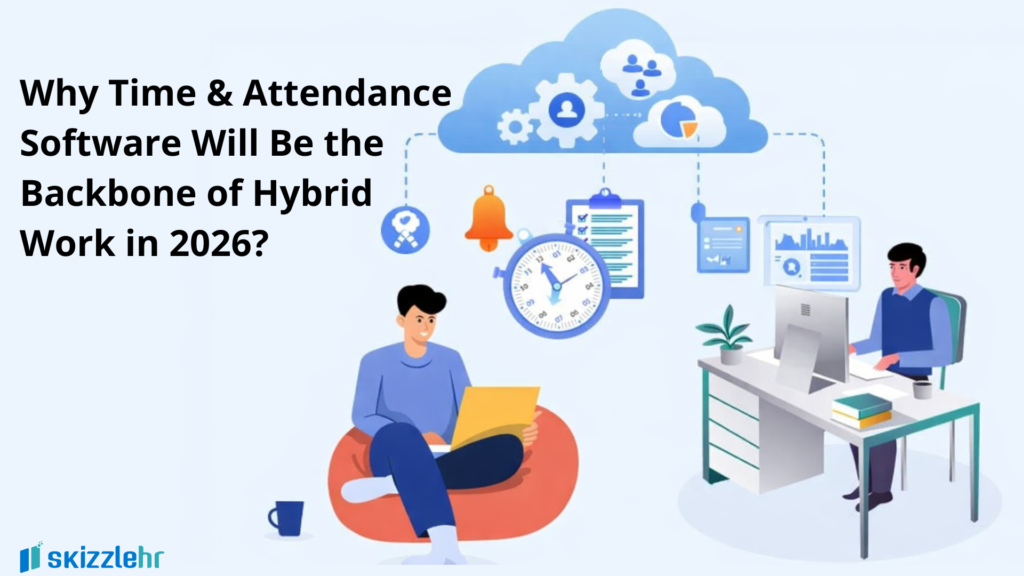
The workplace continues to evolve at a pace that would have been hard to imagine just a few years ago. Remote work became a necessity even after the pandemic, and now hybrid work models; where employees split time between the office and remote environments, have become the preferred choice for many organizations globally. With this shift, companies are discovering that time and attendance software isn’t just a convenience; it’s a foundational requirement for the success of hybrid workplaces. In fact, by 2026, this technology will be the backbone of efficient and effective Hybrid Workforce Management.
The rise of hybrid work has fundamentally changed how organizations manage employee attendance and working hours. With teams operating from offices, homes, and client locations, businesses need greater visibility into workforce availability without compromising flexibility or productivity. Traditional attendance methods such as paper registers or standalone biometric devices are no longer sufficient for managing today’s distributed workforce. This has accelerated the adoption of Time and Attendance Software that enables organizations to track attendance accurately while supporting flexible work environments.
Modern Attendance Management Software provides businesses with the tools to manage office-based, hybrid, and remote employees through a single centralized platform. By integrating attendance with payroll, leave management, shift scheduling, and employee self-service, organizations can simplify workforce administration while ensuring transparency and compliance. Real-time attendance tracking also enables managers to make informed staffing decisions and maintain operational efficiency regardless of where employees are working.
Time and Attendance Software: The Hybrid Work Revolution and it’s Changing Norms
Hybrid work is more than a trend; it’s a transformation in how work gets done. Employees want flexibility; employers want productivity and accountability. It’s a balancing act where traditional punch-in/out systems fall short. Hybrid schedules are dynamic, with employees working from home, the office, co-working spaces, or even across different time zones. This complexity demands a smarter system, one that can accurately track work hours, manage shifts, and provide actionable insights without heavy manual intervention.
How Time and Attendance Software Supports Hybrid Workforces
Managing a hybrid workforce requires more than simply tracking employee working hours. Organizations need attendance solutions that accommodate different work schedules, multiple work locations, and flexible attendance policies without increasing administrative complexity. Digital attendance software enables HR teams to manage workforce availability while maintaining consistency across the organization.
Some of the key advantages include:
- Real-time attendance visibility across office and remote teams.
- Mobile attendance with GPS and geo-fencing capabilities.
- Flexible shift and roster management.
- Automated overtime and working hour calculations.
- Seamless integration with payroll and leave management.
- Employee self-service for attendance regularization.
- Instant notifications and attendance reports.
- Better workforce planning through attendance analytics.
These capabilities help organizations create a flexible yet accountable work environment while improving employee experience and operational efficiency.
The Future of Attendance Management in Hybrid Work
As hybrid work continues to become a permanent part of modern business operations, attendance management systems will play a much larger role in workforce planning and productivity. Organizations are increasingly looking for cloud-based attendance solutions that provide real-time insights, automate routine HR tasks, and integrate seamlessly with broader HR operations.
Advanced attendance software enables managers to identify attendance trends, monitor workforce utilization, reduce absenteeism, and optimize staffing decisions through analytics-driven reporting. Employees also benefit from greater flexibility by accessing attendance records, submitting regularization requests, and viewing work schedules through self-service portals. By adopting digital attendance technology, organizations can successfully support hybrid work models while maintaining transparency, compliance, and business continuity.
Why Hybrid Workforce Management Systems Need Attendance Software?
1. Accurate Time Tracking Across Locations
With employees working from varied locations, capturing accurate work hours manually can be chaotic and error prone. Traditional systems like spreadsheets or manual registers introduce inaccuracies, misclassifications, and non-compliance risks. Attendance system offers automated tracking that ensures every minute an employee works is logged correctly; whether they are in the office, at home, or on the go.
2. Enhanced Productivity Insights
Modern time and attendance systems do more than register hours; they analyze patterns. Managers can gain insights into productive hours, idle times, and peak performance periods. These analytics are powerful in optimizing work schedules, managing workloads, and identifying productivity bottlenecks that might go unnoticed in hybrid environments.
3. Seamless Integration with HR and Payroll
Tracking attendance is one thing; ensuring that this data translates into accurate salary calculations is another. When integrated seamlessly with payroll and HR systems, attendance software eliminates discrepancies, reduces payroll errors, and accelerates administrative processes. This integration becomes indispensable in hybrid work models where attendance patterns are less predictable.
4. Flexible Scheduling and Shift Management
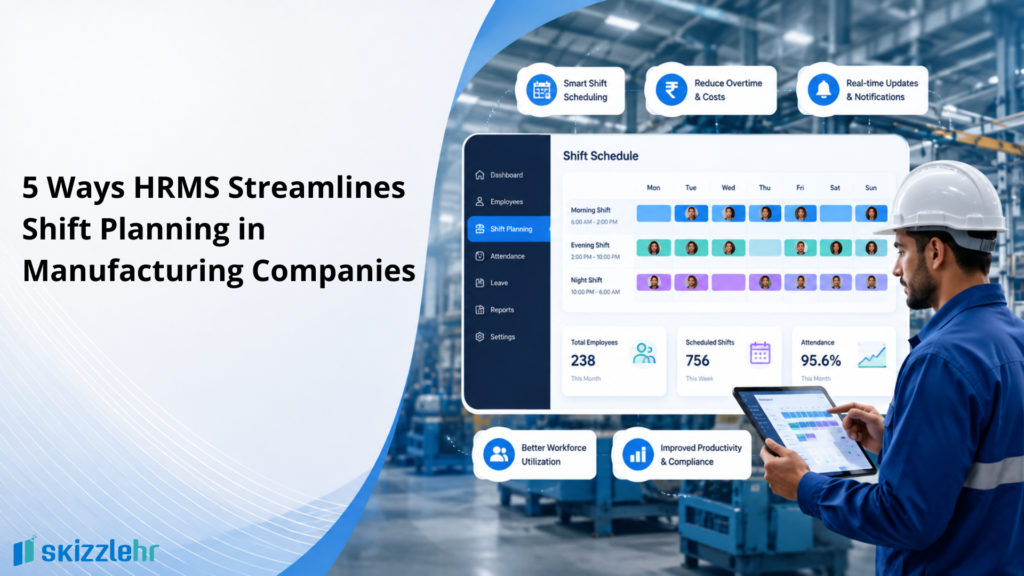
Hybrid work demands flexibility; from staggered shifts to varying office days and rotating schedules. Modern attendance systems empower managers to create, edit, and deploy schedules in real-time. Notifications, shift swaps, and approval mechanisms make managing complex schedules easier than ever.
5. Compliance and Accountability
Different regions have diverse labor laws and compliance requirements. Whether it’s overtime regulations, break entitlements, or statutory working hours, attendance software ensures compliance without HR teams having to interpret every rule manually. It provides audit-ready reports that protect both the organization and its employees.
The Role of Technology in Hybrid Workforce Management
To manage a hybrid workforce efficiently, organizations need tools that are both flexible and robust. These systems must communicate effectively with remote employees while maintaining organizational standards.
1. Mobile Accessibility
One of the biggest advantages of modern attendance systems is mobile accessibility. Employees can clock in and out, view schedules, and request adjustments right from their smartphones. This capability empowers a distributed workforce to stay connected and accountable with minimal friction.
2. Geolocation and Biometric Verification
For companies that need location-based tracking — such as retail stores or field teams — GPS and geofencing features ensure attendance is logged only when employees are in approved areas. Biometric authentication adds an extra layer of security and accuracy. These innovations reduce time fraud and enhance trust in the system.
3. Real-Time Alerts and Notifications
Managers no longer have to wait for end-of-week reports to identify attendance issues. Real-time alerts can notify supervisors about late check-ins, missed shifts, or overtime thresholds. This immediacy enables quicker corrective actions and more responsive workforce management.
Benefits Beyond Tracking Time
Implementing time and Attendance Software does more than solve logistical problems; it enhances the entire employee experience.
1. Increased Transparency
Employees can see their logged hours, breaks, and overtime — fostering trust and clarity. Transparency reduces disputes and builds a culture where performance metrics are open and consistent.
2. Remote Employee Engagement
When hybrid workers feel that their time is valued and tracked fairly, they’re more likely to stay engaged and motivated. Time and attendance tools help maintain organizational cohesion even when employees are physically dispersed.
3. Data-Driven Decision Making
HR leaders and executives can leverage attendance data to make strategic decisions. Whether it’s planning for peak workloads, identifying training needs, or deciding on office space utilization — attendance data becomes a strategic asset.
Why SkizzleHR Is the Best Choice for Hybrid Work in 2026?
As organizations gear up for fully embracing hybrid models by 2026, choosing the right attendance system is critical. SkizzleHR stands out with a suite of features tailored for modern Hybrid Workforce Management:
- Smart and Accurate Time Tracking: SkizzleHR uses intuitive and automated time capture methods that work seamlessly across locations — office, home, or field.
- Mobile-First Experience: With SkizzleHR’s mobile app, employees can check in/out, view schedules, apply for corrections, and receive updates instantly — making hybrid work effortless and transparent.
- Integrated HR Ecosystem: SkizzleHR doesn’t operate in isolation. It integrates attendance data with payroll, leave management, performance metrics, and compliance reporting — creating a unified HR ecosystem that eliminates silos.
- Advanced Scheduling and Analytics: Managers can build flexible schedules, handle shift swaps, and use insightful analytics to optimize workforce productivity. The analytics dashboard turns raw data into actionable insights, helping leaders make smarter decisions.
- Security and Compliance Built-In: From geofencing and biometric authentication to statutory compliance frameworks, SkizzleHR keeps your organization aligned with legal and operational standards.
Conclusion
In the hybrid era, time isn’t just money — it’s a strategic asset that determines productivity, compliance, and employee satisfaction. By 2026, Time and Attendance Software won’t be an optional tool; it will be the backbone of effective Hybrid Workforce Management. Companies that adopt intelligent, integrated solutions like SkizzleHR will not only streamline operations but also drive engagement. accuracy, and growth in the new world of work.
SkizzleHR’s Time and Attendance Software helps businesses efficiently manage hybrid, remote, and office-based workforces through cloud-based attendance tracking, shift management, payroll integration, leave management, and employee self-service. As one of the best HRMS software in India, SkizzleHR enables organizations to streamline attendance management while improving workforce visibility, employee experience, and operational efficiency. By embracing modern attendance technology, businesses can confidently adapt to the evolving future of work while driving long-term organizational success.
You might also like

Start Growing with SkizzleHR
Our team is ready to guide you through an interactive demonstration, tailored to your business needs.
Request a demo