Modern Leave Management Strategies for Growing Organizations
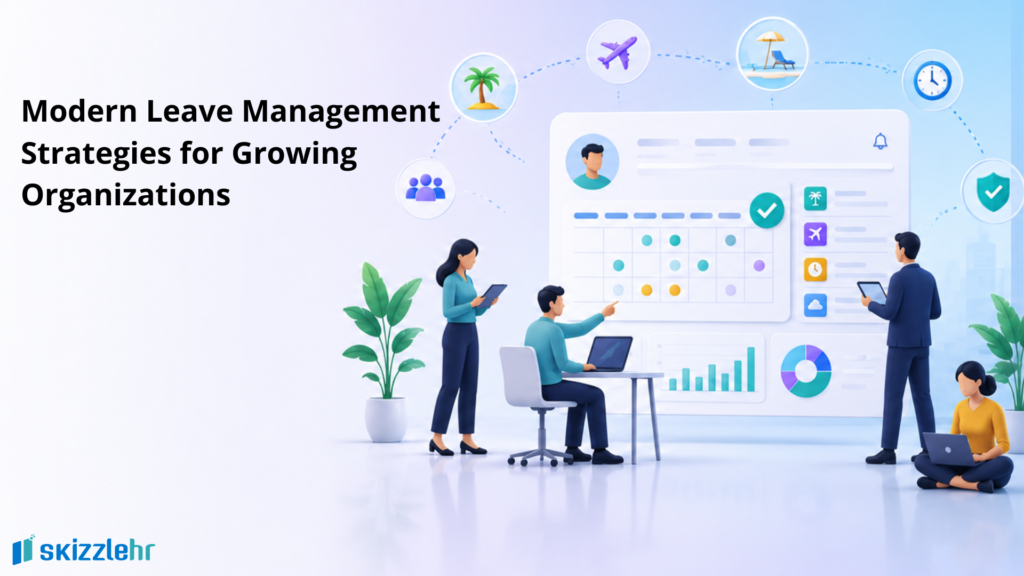
As organizations grow, managing employee leave becomes increasingly complex. What may have started as a simple spreadsheet or manual approval process can quickly become a challenge when workforce size expands, multiple departments are involved, and compliance requirements become more demanding.
Employee leave management is more than just tracking vacation days. It directly impacts productivity, workforce planning, employee satisfaction, and organizational efficiency. Without a structured approach, businesses often face issues such as leave conflicts, payroll discrepancies, compliance risks, and communication gaps.
This is why modern organizations are investing in a robust leave management system to streamline leave administration and create a better employee experience. With the rise of hybrid work environments and distributed teams, adopting effective leave management strategies has become essential for sustainable business growth.
In this blog, we’ll explore modern leave management strategies that help growing organizations improve efficiency, maintain compliance, and support employee well-being.
Why Leave Management System Matters More Than Ever?
Employee leave is a necessary part of maintaining a healthy and productive workforce. Whether it’s annual leave, sick leave, maternity leave, paternity leave, compensatory off, or emergency leave, employees need flexibility and transparency when requesting time away from work. Poor leave management can result in:
- Staffing shortages
- Project delays
- Payroll errors
- Employee dissatisfaction
- Compliance violations
- Increased administrative burden
A well-structured leave process ensures employees can take necessary time off while organizations maintain operational continuity.
Common Leave Management Challenges in Growing Organizations
As businesses expand, HR teams often encounter several leave-related challenges.
- Manual Tracking Errors: Many growing organizations still rely on spreadsheets or paper-based processes. Manual tracking increases the risk of inaccurate leave balances, duplicate entries, and lost records.
- Lack of Visibility: Managers often struggle to understand team availability, resulting in overlapping leave requests and resource shortages.
- Delayed Approvals: Email chains and manual approval workflows can slow down the leave request process, frustrating both employees and managers.
- Compliance Risks: Different regions and labor laws may require businesses to maintain specific leave policies and records. Manual systems make compliance difficult.
- Payroll Inconsistencies: Inaccurate leave records can impact salary calculations, resulting in payroll disputes and employee dissatisfaction.
These challenges highlight the need for a modern leave management system that automates and simplifies leave administration.
Modern Leave Management Strategies for Growing Businesses
1. Digitize Leave Requests and Approvals
One of the most effective ways to improve leave management is by replacing manual processes with digital workflows. Employees should be able to:
- Apply for leave online
- Check leave balances instantly
- Upload supporting documents
- Track approval status in real time
Managers can review requests quickly and approve or reject them from any device.
Digital workflows eliminate paperwork, reduce delays, and create a more transparent process for everyone involved.
2. Create Clear and Consistent Leave Policies
A growing organization needs well-defined leave policies that are easy for employees to understand. Policies should clearly outline:
- Types of leave available
- Eligibility criteria
- Accrual rules
- Carry-forward policies
- Approval procedures
- Notice requirements
When policies are transparent and consistently applied, employees are more likely to trust the system and follow procedures correctly.
Modern leave management software can automatically enforce policy rules, reducing confusion and administrative effort.
3. Provide Real-Time Leave Visibility
Managers need visibility into team schedules to ensure adequate workforce coverage. Modern leave systems offer centralized dashboards that display:
- Employee leave balances
- Upcoming leave requests
- Team availability
- Holiday calendars
- Department-level leave trends
Real-time visibility helps managers make informed decisions while preventing excessive absenteeism during critical business periods.
4. Automate Leave Balance Calculations
Calculating leave accruals manually can be time-consuming and error-prone. Automation ensures accurate calculations for:
- Earned leave
- Casual leave
- Sick leave
- Carry-forward balances
- Encashment rules
- Compensatory off
Automated calculations reduce administrative workload and eliminate disputes regarding leave entitlements.
5. Support Hybrid and Remote Workforces
The modern workplace is no longer confined to a single office location. Employees may work remotely, travel frequently, or operate across multiple locations. A cloud-based leave management system enables employees and managers to access leave information from anywhere. Mobile accessibility allows employees to:
- Submit leave requests
- View leave balances
- Receive approval notifications
- Access company leave policies
This flexibility improves employee experience while maintaining efficient HR operations.
6. Integrate Leave Management with Payroll
Leave data directly impacts payroll calculations. Disconnected systems often lead to:
- Incorrect salary deductions
- Overtime miscalculations
- Payroll processing delays
Integrating leave management with payroll ensures that attendance and leave records automatically reflect in salary processing.
This improves accuracy and reduces manual intervention for HR and payroll teams.
7. Use Analytics to Identify Trends
Modern HR technology provides valuable workforce insights through leave analytics. Organizations can monitor:
- Leave utilization patterns
- Department absenteeism trends
- Seasonal leave spikes
- Employee burnout indicators
- Unplanned absence rates
These insights help HR teams proactively address workforce challenges and improve planning.
For example, identifying frequent absenteeism patterns may help managers address workload concerns before employee engagement declines.
8. Enable Self-Service Functionality
Employees increasingly expect workplace systems that are easy to use and accessible. Self-service leave management empowers employees to:
- View leave history
- Check available balances
- Download leave records
- Submit requests independently
This reduces dependency on HR teams and creates a more efficient employee experience.
Self-service functionality also allows HR professionals to focus on strategic initiatives rather than routine administrative tasks.
9. Plan Workforce Availability Strategically
Leave management should be closely connected to workforce planning. Growing organizations must ensure that leave approvals do not negatively impact operations. Effective workforce planning includes:
- Monitoring critical staffing levels
- Restricting leave during peak business periods
- Managing shift coverage
- Balancing team availability
Modern leave management tools provide visibility that supports proactive resource planning and business continuity.
10. Prioritize Employee Well-Being
Leave management is not solely an administrative function. It plays a crucial role in employee wellness and retention. Encouraging employees to take adequate time off can help:
- Reduce burnout
- Improve productivity
- Enhance job satisfaction
- Support work-life balance
Organizations that actively promote healthy leave practices often experience stronger employee engagement and lower turnover rates.
A modern leave strategy should focus on both operational efficiency and employee well-being.
Key Features to Look for in a Leave Management System
When selecting a leave management solution, growing organizations should prioritize features such as:
- Automated leave tracking
- Configurable leave policies
- Multi-level approval workflows
- Mobile accessibility
- Real-time leave balances
- Team availability dashboards
- Payroll integration
- Attendance integration
- Leave analytics and reporting
- Compliance management
These features help create a scalable and future-ready leave management process.
The Future of Leave Management
The future of leave management lies in intelligent automation and employee-centric experiences. Emerging trends include:
- AI-powered leave recommendations
- Predictive workforce planning
- Mobile-first employee experiences
- Integrated HR ecosystems
- Advanced analytics and forecasting
As businesses continue to embrace digital transformation, modern leave management will become an increasingly important component of workforce management strategies.
Organizations that invest in advanced leave management solutions today will be better positioned to support growth, improve employee satisfaction, and enhance operational efficiency in the future.
Simplify Leave Management with SkizzleHR
Managing employee leave doesn’t have to be complicated. SkizzleHR’s comprehensive leave management software is designed to help growing organizations automate leave processes, improve transparency, and enhance employee experiences.
With SkizzleHR’s powerful Leave Management System, businesses can:
- Automate leave requests and approvals
- Configure customized leave policies
- Track leave balances in real time
- Access leave information from web and mobile applications
- Integrate leave data with attendance and payroll
- Gain actionable workforce insights through reporting and analytics
- Streamline multi-level approval workflows
- Improve compliance and record keeping
Whether you’re managing a small team or a rapidly expanding workforce, SkizzleHR helps eliminate manual effort while ensuring accurate and efficient leave administration.
Empower your employees with a seamless leave experience and give your HR team the tools they need to manage workforce operations effectively. Discover how SkizzleHR can transform leave management into a strategic advantage for your organization.
Schedule a FREE demo!
You might also like

Start Growing with SkizzleHR
Our team is ready to guide you through an interactive demonstration, tailored to your business needs.
Request a demo